
If you scroll through online marketplaces, you might find “hand-painted” pet portraits that no brush ever touched and product photos of things that do not exist. With AI, it is quick and cheap to produce something or an image of something that looks handcrafted, without anyone doing much crafting at all.
However, over the past month, Etsy brought in new rules for art and craft sellers concerning AI listings and an outright ban on AI-created knitting patterns. For more information, see the Etsy Seller Handbook or the appendix at the bottom of this post for a summary of changes.
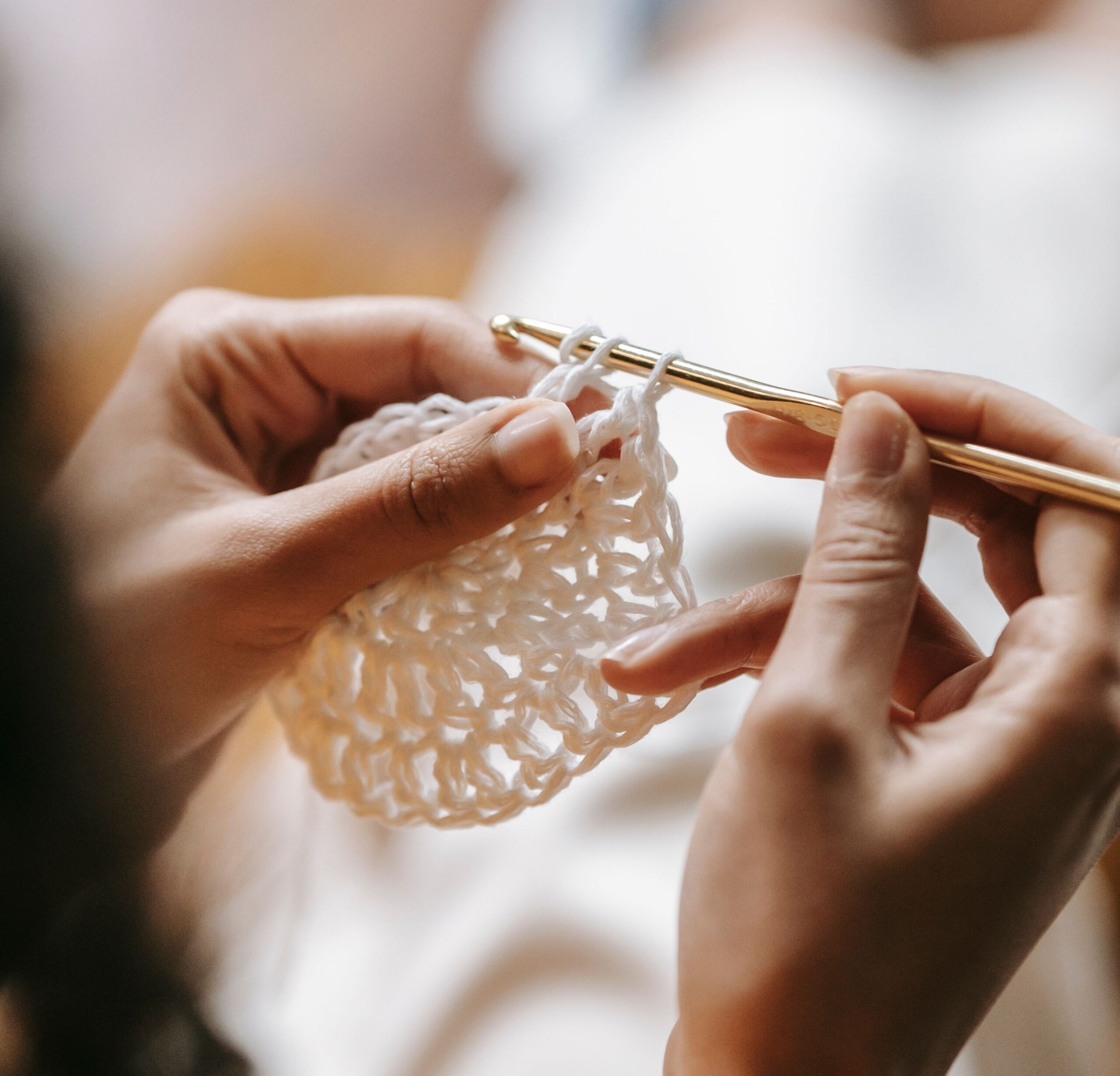
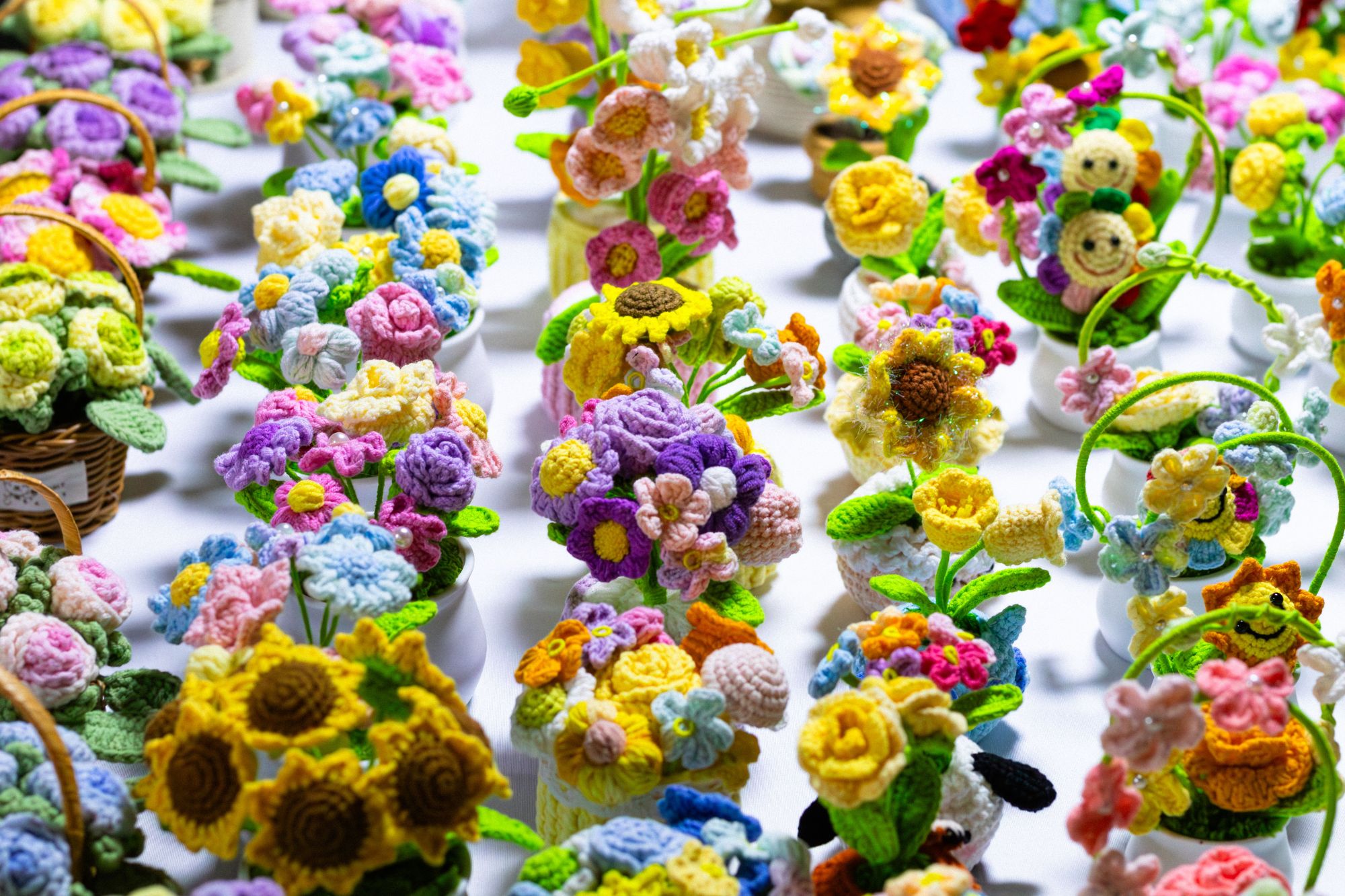
So, on Etsy at least, crafting remains a small oasis of reality! This is great, as most buyers still want the real thing: the story behind the piece or the chance to meet the person who conceived and created it. AI can write a product description or suggest a price, but it cannot throw a pot, set a stone, or hand-stitch a quilt… yet!
This said, AI does have its place, as it can provide crafters with more time at the workbench. Your AI assistant is the most efficient, enthusiastic sidekick when it comes to drafting product descriptions, planning social media posts or tidying up bookkeeping, and you will never catch it having a bad day!
If you are experimenting with AI for admin, just make sure that the information you are giving is exact about how the item itself was made or that the correct care instructions are given. If they are wrong, it is not AI that will be held responsible if anything happens! You are the one selling the product, so check anything AI writes.
Craft fairs are where “handmade” matters
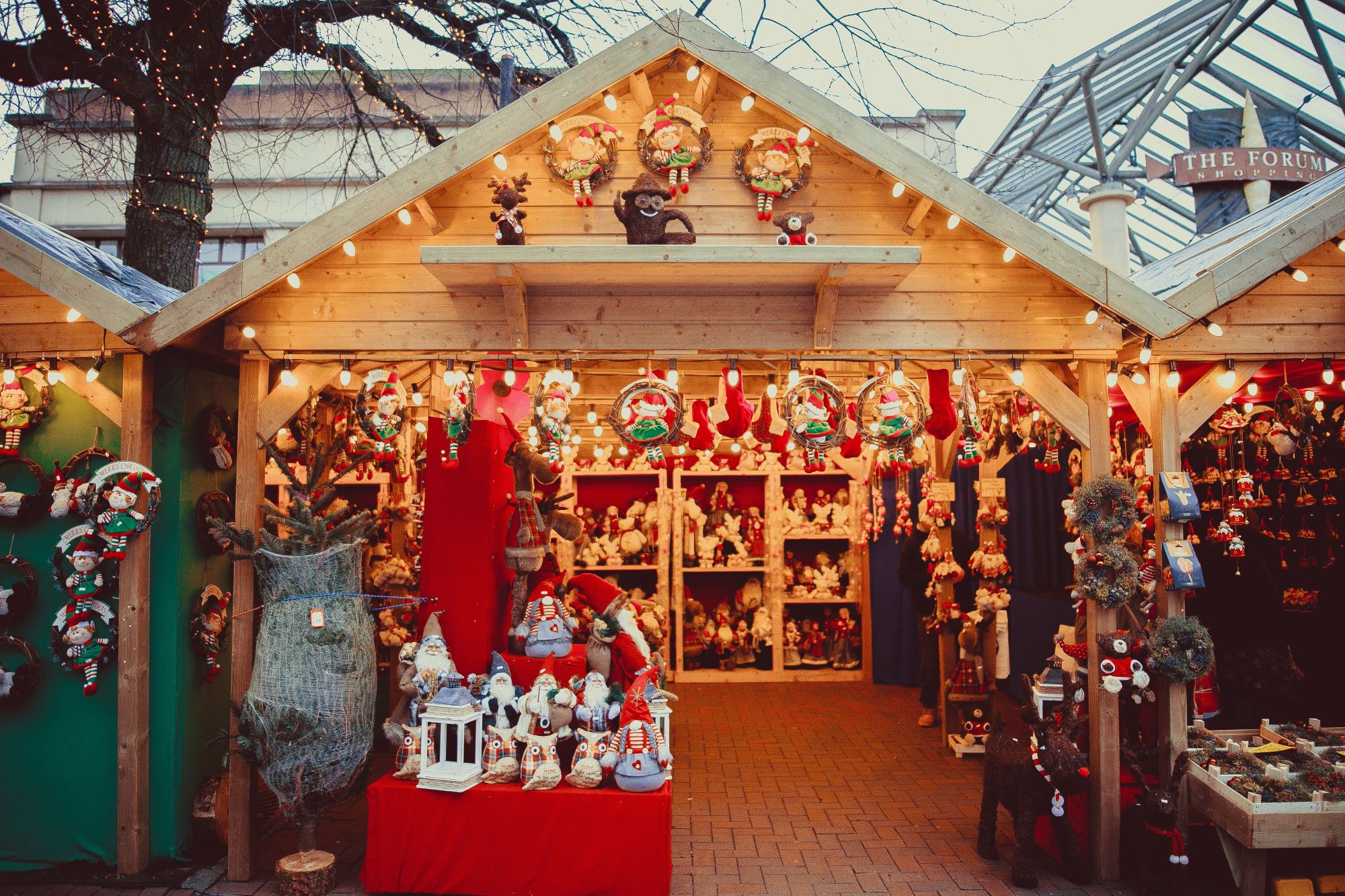
When buyers are not sure what to trust online, there is still one place where “handmade” is impossible to fake, and that is at your craft stall.
At a craft fair, customers can pick up your work, ask how it was made or even watch you give a demonstration. The uniqueness of each piece that you have poured your heart into is something people are interested in, and that is your advantage over AI, so why not make the most of it? You could bring some photos of your workshop; explain why you chose the materials you use and their origins, or hand out a card telling your story (no harm in getting some help from AI here if writing is not your strong set).
If you are going to give a demonstration, just remember that a busier, more hands-on stall also invites a higher possibility for someone to trip over something, so have your craft stall public liability insurance before you even book your spot.
Real craft stall insurance made for real people!!
At Craft Insurance, we only insure crafters, so we understand exactly what goes on behind your stall. Our craft stall insurance combines public and products liability in one simple policy:
Public liability insurance for craft fairs provides limits of £1 million, £2 million, £5 million or £10 million
Products liability covers you for wherever your work ends up, at a fair, on your website or on a marketplace
Cover for teaching and demonstrating, including patterns, recipes and instructions
No excess on public and products liability claims
Unlimited fairs and markets on an annual policy, with no need to tell us about each one
Short-term cover of up to five consecutive days for a one-off event
Your certificate emailed as soon as you pay, and always available in your online account
Many crafters ask us whether it is worth buying craft stall insurance when they only run a craft fair stall a few times a year. Our reply is that one accident can cost far more than a year’s cover. If you trade at more than a couple of events, an annual policy is usually the better value, and if you only need it for a single event, ask us about our five-day policy.
Cover for £2 million is the most common requirement but always check your booking terms. And do not forget that you will be moving stock and equipment to and from the venue. This is where our optional Business Items cover protects your stock, materials, tools and stall equipment against loss, theft or damage, including at fairs. It also pays up to £250 if a pre-booked fair is cancelled.
“Keeping it real” this Christmas and keeping it covered!
AI is not going away, but neither is the joy of buying something made by hand from the person who made it. This is your moment to show buyers what is real, and with the busy Christmas season upon us, get your craft stall insurance quote from Craft Insurance today, and trade with the confidence, knowing that you are covered.
Get a quote now
Appendix
Key Changes to Etsy Rules
Unedited real photos: Listings generally require at least one unedited photo of the actual item against a real background. Images must accurately show what buyers receive, with specific exceptions depending on what you sell.
Basic AI edits allowed: AI tools can still be used for basic edits (such as lighting or cropping) if they do not misrepresent the item.
Ban on AI functional guides: AI-generated functional guides—including recipes, patterns (such as knitting, crochet, or sewing), and how-to instructions—are prohibited and must be the seller’s own work with real finished examples.
Ban on bot-generated listings: Fully automated or bot-generated listings without meaningful human input are banned and can lead to listing removal or shop penalties.
AI art & disclosure: AI-generated artwork remains allowed when there is human creative input and clear disclosure, rather than passing it off as handmade.