
Crafting in the Heat

As our beautiful sunny weather continues and hasn’t turned to rain as soon as children and teachers alike pour out of school for their well earned summer holidays (as is too often the case) maybe we can dare to imagine another few weeks of glorious sunshine. While the lack of rain presents challenges for our hard-pressed farmers and garden lovers, for many the opportunity for a family camping holiday without battling with soggy tents and soaked waterproofs, for children to play easily outdoors and for all to slip on sandals rather than rain resistant boots is welcome.

The warm weather does invite us to slacken our pace a little and while this may not be possible for many during business hours, we may be able to sit outdoors during the balmy evenings and watch the sun as it gently sinks into the horizon or enjoy some lazy Saturday mornings with breakfast outdoors. You might be able to pack up a picnic and head out for a walk or a day at the beach, or for the more adventurous, wild swimming beckons. Whether you are naturally inclined to warmer or cooler temperatures, the seasonal nature of our weather patterns offers us not only a ready conversation starter or friendly greeting, but also a plethora of ideas for crafting projects.  

Not being used to sustained hot temperatures, these last few weeks have caused some challenges to most workplaces, crafting businesses included. It is well acknowledged that productivity drops in hot weather; we are often more tired as it’s harder to sleep and even if this is not the case our thought processes are naturally slower. In countries where warm summers are the norm, this is countered by air conditioning or, before this was invented, with an afternoon siesta. In our fast paced twenty first century lifestyle, we try to circumvent this inclination to go more slowly through our days, as the need for productivity requires us to keep going. However, it is worth bearing in mind that our body’s natural responses are there for a purpose, and that the reason we feel lethargic during hot weather is because it is working extra hard keeping us cool. We can help it by staying well hydrated and wearing loose clothing etc but we can’t escape the fact that it just is hard to keep working at our normal pace during extended periods of heat.  

So, if you have struggled to maintain your usual level of creativity you will not be alone in this. You may have come up against some technical issues too, for example wax melts could melt prematurely and fuse together, paints and resins might behave differently and even some tools might struggle in extreme heat.  

Whatever the weather, the summer months call for a fresh look at where to sell craft items. You may experience a bit of a ‘summer slump’ in your online sales platforms as people spend less time inside and more time outside and are also focussing on holidays. However, there are some ways you can use this to your advantage as you consider where to sell craft items over the summer holiday season.  

Many of us will be joining our crowded motorways and heading for the many gorgeous spots around the country. Form the stunning Western Isles of Scotland, to the glorious coat of Pembrokeshire, the open horizons of the Norfolk Broads, right down the the rocky coastline and crashing waves of Cornwall, the British Isles offers something for everyone. The local economies of many rural communities are boosted by tourism in the summer months, and this provides a good opportunity for selling hand made crafts. While your usual set of customers might not be buying online or at their own local markets, they may well be browsing elsewhere. So, if you live in or near to one of our many holiday havens, why not see if you can rent a shelf in a shop or even a cafe?  

You might also consider a holiday range for visitors to your area, inspired by the local scenery; seaside themed items made form driftwood or shells, textiles reflecting the colours of heather clad moors or home decor and utensils inspired by the industrial heritage of the region.  

Or you might like to focus on the weather theme…wind chimes, sun hats or beach bags. Before the time of weather apps, or even national weather forecasts, country dwellers used to look to the weathervane on top of their local church to see the direction from which the wind was coming. Weathervanes in the shape of cockerels were also placed on churches, to be seen by all, as a reminder of Peter denying Jesus. Weathervanes are still a striking addition to any home, and metalsmiths today are still crafting these from cast iron, in a multitude of shapes and sizes, as highly visible, as well as practical, ornaments.  

So, whether you’re a sun lover or a shade seeker, we hope you can enjoy some relaxed time outdoors over the next few weeks. If you’re looking towards renting a shelf in a local shop, remember that our basic insurance package covers you for this, as well as for online and in person sales at fairs and markets.  

Whatever the weather, have a good weekend!  
Finding the Best Marketplaces for Artisans

As a skilled crafter you will know that creating beautiful, high-quality products is only half the challenge of running a successful crafting business. You need to get your stunning products out in the marketplace for customers to see and buy. Marketing is an ongoing process and it’s good to evaluate and update your strategies periodically. With a wide range of online platforms as well numerous crafts, fairs and markets to attend, there are plenty of options to explore in order to find the best market places for artisans. 

You might like to ask yourself whether your products would sell best online, in person or whether a hybrid approach would work best. This would focus your efforts and allow you to concentrate on a strategy which would lead to the greatest number of sales. How then, do you decide which avenue to pursue? There will be many variables but here are a few questions which might help you in the decision-making process.  

Firstly, think about yourself. The products you create flow from your own natural talent and your hard work … you are personally invested in them…so you need to be comfortable in the venues in which you sell. Some crafters may love meeting new people and enjoy the buzz of a fair. Others may find the thought of this quite a challenge but be very IT savvy and be excited at the multiple opportunities to sell online. Which sits most comfortably with you? You will have to put in hours of work either way and will probably opt to use both online and in person platforms but it’s helpful to be aware of what your natural tendencies lean towards so you can offer yourself some extra kindness if you are pressing into a space which does not necessarily feel easy. 

If you are thinking of booking in some fairs, there are a few rules of thumb which might help.  

Craft fairs are a great option for products which have a sensory aspect to them, for example bath bombs and soaps which have a delicious fragrance or toys which are soft to touch. It’s always worth doing a little background research before you attend a fair, to guide you in what stock to bring.  

Some will be more exclusive, offering customers a luxury shopping experience; for these it is worth taking a good supply of your higher budget ranges. However, many are fun places for those of all ages to shop, maybe to enjoy some locally produced food or to meet up with friends. For these, you are probably looking at products priced at low to mid range. You could take a selection of pocket money purchases and items which would make great gifts. It’s also worth remembering that you are more likely to get impulse buys when people are relaxed and enjoying a fun trip out, so put a few bargains or irresistibly gorgeous products in pride of place! 

Small items such as jewellery often do well at fairs. They are visually appealing and customers can hold up pieces to check for length and colour against their skin tone in a way they cannot do if buying online. Offer lots of encouragement and remember to explain your eco credentials. 

Pet accessories also often do well at fairs. We Brits are fairly besotted with our pets, whether they be pampered pooches, spoilt bunnies or much-loved gerbils! Pets are an integral part of many of our families, offering good business opportunities in individually crafted pet accessories. Whether you make leather collars and leads, ceramic bowls or warm coats, pet accessories are a tempting impulse buy for many.  

Breakable items such as glass or ceramics, while they can be carefully packaged for posting, also do well at in person events. Customers can see the colours and also get a feel for the weight, shape and texture of a hand thrown or blown piece.  

As you explore the best market places of artisans you will want to consider the wide array of online options. The world really is your oyster when you jump on here. From Facebook and eBay, through specialised platforms for handmade goods such as Etsy and Folksy to building your own website, the opportunity is limitless! The big advantage of online selling is that you reach a far larger audience very quickly. In addition, the overheads are low and you will receive data analytics which will help direct your marketing strategy.  

Just about any goods can be sold online but do check out postage costs and any special requirements. Light weight products such as jewellery, home decor and paper goods are all well suited to online sales, as too are small cosmetic and bath products such as shampoo bars, soaps, lip balm and hand cream as well as candles and wax melts. As you can see, there is much crossover, and many crafters will find they use a mix of online and in person sales.  

Whatever you decide are the best market places for artisans and in particular for your beautiful products, you will need to consider insurance. Our basic package includes both product and public liability insurance. Product liability covers you in the event of a claim being made that your product has caused harm to a member of the public. Public liability covers you if a member of the public makes a claim for harm or damage caused on your property or as a result of your business.  

As the summer months may offer you a slightly slower pace, this could be a good time to review your marketing strategy; and if you need any advice regarding insurance, we are here for you!  

Sunshine guaranteed (well, probably). Your craft cover today, definitely. 

The next time you are standing behind your craft stall on a warm Saturday morning, watching crowds file past the bunting and handmade signs, it’s worth considering how long all this has been going on. It’s great to remember that the summer fair is one of the oldest communal traditions in the UK, so your participation is actually breathing life into history. 

Medieval fairs were the beating heart of social and economic life for ordinary people in a way that is difficult to fully appreciate from a modern perspective. For the common folk of medieval England, most of whom were tied to small villages and largely illiterate, a summer fair was one of the moments in the year when the world got bigger. Merchants arrived from further afield carrying unusual goods: exotic spices, fine silks, specialist metalwork and textiles unavailable anywhere else. Alongside the traders came minstrels, acrobats, jugglers and players performing on makeshift stages. There were archery contests, wrestling matches and, at the larger charter fairs, the thundering spectacle of a jousting tournament. These were major social events and the dancing went on until dark. 

Some of England’s greatest annual fairs, such as Stourbridge Fair, Winchester’s St Giles Fair and the St Bartholomew Fair at Smithfield, grew into events of enormous economic significance. Stourbridge eventually became the largest fair in all of Europe and was the inspiration for John Bunyan’s Vanity Fair in The Pilgrim’s Progress. They became so important that town leaders used them to hold courts, collect taxes and announce royal decrees. Commerce, community, spectacle and storytelling all converged in one place each summer. 

Centuries later, what has changed? 

Walk around a modern summer craft fair and some things have not changed. The stalls are still temporary structures, erected for the occasion and packed away at the end of the day. The traders have travelled to be there, some from considerable distances. The atmosphere still carries that particular mix of commerce and celebration that makes a fair feel different from ordinary shopping. People come to watch, eat and enjoy being part of something communal; they don’t just buy and leave. 

The most noticeable difference between a modern-day fair and a medieval fair is probably the smell (or lack of it) and the nature of what is being sold: exotic spices and fine silks now replaced with handmade candles and wax melts, jewellery, ceramics, textiles, resin work and skincare products. Larger, one-time annual events have been replaced by a summer-long calendar of markets, country shows, village fetes and outdoor fairs that give crafters a near-continuous run of trading opportunities from May through to September. 

Another major difference is that modern-day stallholders will most likely all have insurance! Medieval stallholders were required to pay “stallage” or “picage” to the local lord, town council or church that held the royal charter to host the event. This granted them the right to set up a table, pitch a tent and sell their goods. Insurance though? Nay. 

Why we need cover today 

For the medieval trader whose goods were stolen, damaged or lost, that would have meant personal catastrophe with no safety net. If anyone was injured as a result of a trader’s activities, the consequences fell entirely on them. Happily, for the modern crafter, the situation is very different! 

A Craft Insurance policy covers you for public and product liability at any event you attend throughout the year, indoors or outdoors, with no limit on the number of fairs. There is no need to notify us each time you set up a stall. Your cover applies automatically from the moment your policy is live. Professional indemnity is included as standard, so if you teach your craft or demonstrate it at an event, you are covered for that too. Optional add-ons include employers’ liability if you have anyone helping you, and business and stock cover for your tools, materials, equipment and finished work. 

The standard excess is just £50, which is great news, and documents are issued instantly on payment, so if you decide to get your cover today, you can be ready to trade straight away. 

Most craft fair organisers will ask for proof of public liability insurance before they confirm your booking. This is standard practice across the industry and has been for some years. If you are approaching the summer season without cover in place, you may find yourself turned away from events you have already planned around. Getting your cover today means that proof of insurance is in your inbox within minutes of completing your application, ready to share with any organiser who asks for it. 

It is also worth knowing that some insurers have specific exclusions that catch crafters out. Candle makers, home fragrance sellers and makers of reed diffusers, room sprays and wax melts have discovered that certain general insurers simply do not cover their products at all. At Craft Insurance, we have very few exclusions, and we are always upfront about what they are. Another great thing is that we charge no administration fees for policy changes, so if your circumstances change during the summer season, you can update your cover without any extra cost. 

Medieval fair traders had to carry heavy consequences when things went wrong, but you do not have to operate the same way! The craft fair tradition has survived for hundreds of years because it works, because people genuinely value handmade goods, community and the experience of buying directly from the maker. Protecting your place in that tradition with the right insurance makes sense! 

Get your cover today 

Fill in our short online form, choose your level of cover, and have your documents in your inbox within minutes. If you would rather talk it through first, Samantha or Naomi will pick up the phone and walk you through exactly what you need. Although we can’t claim to have been in business since medieval times, we have been providing craft insurance since 1986!  

Get a quote now | Speak to Sam or Naomi 

Where to sell handmade crafts (and make them) 

If you have visited the National Gallery in the last couple of years, you may have come across Joaquín Sorolla’s 1895 oil painting Valencian Fishermen, which has been on long-term loan since the summer of 2024. Sorolla, who lived from 1863 to 1923, is celebrated as the master of Spanish luminism, a style built entirely around the way natural light falls on the world. His canvases positively radiate sunshine. He painted almost exclusively outdoors, capturing the Mediterranean light bouncing off the water, bleaching white fabric and warming human skin, while grains of sand from the beach became embedded in the paintings themselves. 

What Sorolla understood is that light changes everything. It changes how we see, how we feel and how we create. This summer, with an unusually generous amount of sunshine making its way across the UK, we can all take a leaf out of his book. 

What working outside does for you 

The science behind spending time outdoors is compelling. Just 15 to 20 minutes outside is enough to lower blood pressure, reduce cortisol (the stress hormone) and trigger the release of endorphins that lift your mood. Sunlight also stimulates the production of serotonin, increasing motivation and job satisfaction. It regulates your circadian rhythm, helping you sleep better at night, boosts your immune system through vitamin D production, and even increases your exposure to phytoncides – airborne compounds released by trees that have been shown to increase the body’s virus-fighting cells. 

Not only is natural light good for you, but it also supports creativity in fascinating ways. The sharp, high-contrast light of a bright summer morning is ideal for focused, detailed work, while the softer light of late afternoon lowers what researchers describe as critical vigilance. That more relaxed, associative frame of mind is exactly where creative thinking tends to flourish. 

The longer summer days also give us more time to enjoy the activities that naturally recharge our creative batteries. There’s no better example than the Nordic countries, where daylight stretches well into the evening during summer. The famous White Nights and the Midnight Sun are embraced as opportunities to make the most of waking life. In Scandinavia, friluftslivor open-air living, is all about hiking through forests, cycling or camping. In Sweden and Norway, Allemansrätten, or the right to roam, gives people the freedom to hike, forage and pitch tents across much of the countryside. Extended daylight also naturally moves socialising outdoors, with al fresco dining and festivals continuing long into the evening. 

Where to sell handmade crafts: the outdoor opportunity 

For fledgling crafters looking to spend more time outside this summer, the answer to where to sell handmade crafts is right in the open air. Across the UK, the summer calendar is packed with craft fairs, country shows, outdoor markets and community events that bring talented makers together with customers in beautiful surroundings, showcasing work and enjoying the fresh air all at the same time. 

Even before selling, crafting outdoors is more practical than you might think. A shaded garden, city park, beach or a balcony can become an enjoyable workspace for many creative hobbies. Knitting, crochet, embroidery, beadwork, sketching and product planning all travel well. Even administrative tasks such as replying to emails, reading or brainstorming your next collection can feel far more enjoyable when you’re not confined to the same four walls. 

All you need is a bag, a blanket and a fully charged phone. The aim is simply to get outside, enjoy the natural light and let the science do its work. Any practical challenges are easily overcome. Sitting in the shade reduces screen glare and prevents devices from overheating, while a folding cushion or sturdy bag can double as a makeshift table. A wide-brimmed hat will help too. 

Because we often associate parks and outdoor spaces with leisure, it can initially feel unusual to treat them as a workspace. However, spending just 20 minutes sketching, planning or creating outside is far from a holiday. It’s one of the simplest and most effective ways to support both your creativity and your overall wellbeing. 

Ready to take your craft business outside? 

The single most important thing to do before packing up your stall to head off to outdoor event is making sure your insurance is in place. No matter where you sell handmade crafts this summer, from village fêtes and artisan markets to major country shows, it’s important to know you’re properly covered. 

Our Craft Insurance policy covers unlimited indoor and outdoor events throughout the year, with no need to notify us each time you attend. Public and product liability cover, including professional indemnity as standard up to £500,000, is included, while optional stock and equipment cover is also available within one straightforward policy. Better still, your documents are issued on the same day. 

Get your quote online in just a few minutes, then head outside and let your creativity flourish. Sorolla would certainly have approved. 

Get a Quote Now 

How to start a craft business: What the 2026 World Cup kits can teach us 

If you have had one eye on the 2026 World Cup, you may have noticed something rather wonderful happening beyond the football itself. This year’s tournament has seen many of the 48 participating nations take to the pitch in kits that are genuinely works of craft. The major kit manufacturers have produced bespoke uniforms drawing on each country’s history, national identity, folk art and textile traditions, and the results are extraordinary. 

Argentina’s away jersey carries intricate swirling filete porteno folk art, a vibrant Buenos Aires street tradition; Mexico’s home shirt features the ancient Aztec Sunstone printed directly on the front; Senegal’s kit celebrates the spirit of Teranga, drawing on the vivid wax print traditions of Dakar’s streets and using an inside-out printing technique to reveal a full-colour kaleidoscopic design. Japan’s Samurai Blue kit takes its pattern from centuries-old aizome indigo dyeing. 

These are not just football kits. They are handmade ideas, translated into fabric at scale, by people who understood the value of craft. 

Every great craft business starts somewhere, like every team.  

If you are thinking about how to start a craft business, the World Cup offers a useful frame. Those 48 teams did not arrive at the tournament without preparation. Behind every kit and every match plan are months of groundwork that most spectators never see. The same is true for a craft business. What looks effortless from the outside is built on decisions made long before the first sale. 

The kit designers at Nike, Adidas and Puma did not turn up on the day and improvise. They researched, planned, got permissions where they were needed, and made sure every detail was protected before anything went public. When you are starting a craft business, that same instinct to prepare properly is a large part of what makes it thrive. 

One of the most important preparations any new crafter can make is getting the right insurance in place before they start trading. Not because something will definitely go wrong, but because the unexpected has a habit of arriving uninvited, and a craft business without cover is like a team without a goalkeeper! 

Kitted out properly: what craft business insurance covers. 

Our foundation insurance is public and product liability insurance. This is the essential cover that protects you if a customer or member of the public makes a claim against you for injury or damage caused by your products or your activities. Most craft fair organisers will ask for proof of this before they allow you to take a stall, and it applies equally to online sales, rent-a-shelf arrangements and selling through other retailers. 

Everything else builds on that base. Employers’ liability cover is a requirement if you have anyone working with you, whether paid or voluntary. Business items insurance protects your tools, materials, stock, equipment, display stands, card readers and laptops against loss, theft or damage. You choose how much to insure, and the standard excess across all claims is just fifty pounds, which is one of the lowest available for craft insurance. At Craft Insurance, your stock and materials are treated as a single category, so if you ever need to make a claim, there is no complicated separation to work out between what was finished and what was still in progress. 

Professional indemnity is included as standard with every liability policy, which means that if you teach your craft, run your own exhibition or demonstrate your skills at an event, you are covered for that too. 

Avoiding own goals: the exclusions other insurers do not tell you about. 

Here is something worth knowing before you shop around. Some of the most widely used insurance providers have exclusions that are easy to miss and genuinely damaging when you discover them. Some will only cover crafters selling branded soaps, not products they have made themselves. Others exclude home fragrances, room sprays and reed diffusers entirely, which is a significant gap for candle makers, wax melt sellers and home fragrance businesses who may not realise they are unprotected until the moment they need to claim. 

In football terms, those are own goals waiting to happen. The good news is that Craft Insurance has very few exclusions. We cover what you make and what you sell, and we are always upfront about the small number of things that fall outside the policy. No hidden small print, no surprise gaps. 

We also do not charge administration fees. If your craft business grows and you need to update your cover, change your details or adjust your policy as you start travelling to more events or scaling your operation, we handle those amendments at no extra cost. Other providers charge up to fifteen pounds for exactly the same thing. We think that is the wrong way to treat customers who are just getting started. 

Getting match ready! 

The World Cup kits that have captured everyone’s attention this summer were made by people who understood that craft, preparation and identity are inseparable. That is exactly the mindset to bring to a craft business. The work you make reflects who you are. Protecting it is part of taking it seriously. 

Whether you are just working out how to start a craft business from your kitchen table, or you are an established maker heading into your busiest trading season, getting the right cover in place is one of the most straightforward things you can do. Fill in our short online form, get your quote in minutes, and have your documents in your inbox the same day. If you want to talk it through first, Samantha or Naomi will pick up the phone and walk you through exactly what you need. No call centres, just two reliable people who know craft insurance inside out, ready to help you kick off with confidence. 

(Get a Quote Now) 

The Easiest Insurance for Craft Class

Picture for a minute two heads bowed together; mother and daughter as the former demonstrates the intricacies of lace making (or spinning, or straw plaiting …) to the latter. Picture too a father and son working together on the land, the conversations, the life advice, the daily mentoring. Then look a little further into those children’s futures. The girl may have commenced work under the supervision of a seamstress, and the boy may have learnt a trade as an apprentice to a blacksmith or bodger. While no one disputes that life was tough in numerous ways in pre industrialised Britain, there are some aspects of family and community from which we could glean some wisdom in our highly individualistic, computerised society.  

Loneliness, for example, is a huge problem in the twenty-first century, not only amongst the elderly and housebound but throughout all sectors of society. Many move away from the family home for education or work, settle down and then go on to raise their own children without the support of grandparents and plentiful aunts, uncles and cousins. Online friendships are no substitute for real ones, chatting over a mug of tea or working out at the gym together. We are not designed to live in isolation and even the most introverted amongst us need community.  

Enter crafting workshops! These offer a delightful space both to pass on traditional skills to others and also to nurture community. Whether it be a six-week evening course, a Saturday workshop or a rolling class, if you decide to run one of these you will most probably not be short of attendees. There are so many benefits for joining with others to craft together, not least that it is a wonderful way to ensure these time honoured skills are not lost but are indeed revived.  

With many of us using screens for our work, there is an increasing yearning to get away from them during our leisure time. In tandem with this, many of us do not work with our hands anymore and are therefore losing out on the calming sensory input of handling different textures, from soft wool through to squishy clay. While we get far too many unhelpful dopamine hits from pings on social media, the sense of satisfaction when we have mastered a new skill or completed a beautiful project is a much healthier one. In addition, the repetitive actions required in many crafting techniques are also calming, necessitating just the right level of concentration to block out the cycle of anxiety while allowing for easy conversation. All these, combined with a warm welcome and the sense of community in shared learning, do wonders to promote a sense of wellbeing and acceptance.  

Whether you are just considering holding a crafting class, or are a veteran workshop facilitator, there are so many options open to you. You could offer general classes open to any member of the public, you could do one-off events such as hen parties (pottery sessions are often popular) or you could tailor classes towards a specific group of people such as the over sixties, after school clubs or sessions for home-educated children. As long as your craft travels, you will need to find an appropriate venue. This could be within a local Craft Quarter or Centre, in a town or church hall or within a school.  

You might be able to get funding to take your craft into a local church or other centre which welcomes homeless men and women in to have a shower, collect post, enjoy a warm meal and seek advice.  Alongside this, a table which offers a space to paint or craft can be very therapeutic, increasing self-worth and maybe discovering hidden talents. It is also much easier to converse while focusing on creating something with your hands, and all around the table have a shared interest in the particular craft.  

You will need to do some local research, gauging your potential client group and then when you have a workshop organised, advertising both in local magazines/notice boards and online is foundational to your success. Once you’ve done some number crunching, it can often be better to start small, with a group size you feel comfortable with. You will also need to find some craft class insurance. While there are a plethora of companies offering craft class insurance, it is well worth making sure you understand what the package includes, as there will be variations. The good news is that here at Craft Insurance our basic insurance package will cover you for teaching, demonstrating and selling your craft within any setting. It includes public and product liability insurance and additionally contains professional indemnity insurance. As well as covering you for teaching and demonstrating, this also covers you if you unknowingly give any incorrect advice.  

Our prices may not be the lowest you can find online, but this is a conscious decision; we want to be sure that you get what you pay for with no surprise exclusions or confusing wording. We are a family business, with knowledge and experience passed down through generations. We answer each enquiry ourselves, so whether it be a phone call or an online request, either Sam or Naomi are here to reply. Craft class insurance is not an add on here with us; it is part of your basic package which also allows you to sell your stunning products online and at craft fairs.  

So, if you already have a basic insurance package with us, you will be covered for craft workshops too! Why not get dreaming; what are some ways you could pass on your skill, create community and add to your income? Ask a few questions, gather a few screen-weary, well-motivated students and have fun passing on your finely honed artisan skills in a refreshing atmosphere of welcome, eagerness and enthusiasm.  

What Etsy Seller Insurance Do I Need

As we edge towards the Summer Solstice, the longest day of the year, our young people finally reach the touch line of the exam marathon they have been running, and many of us feel a general weariness increasing, our thoughts begin to turn towards summer holidays. Whether these will mainly be spent at home, holidaying within the UK or enjoying some sunny climes overseas, the dreaming can begin! 

The planning and the imagining can become an integral part of the holiday fun, as we consider summer outfits or envision a seasonal refreshing of our home and garden. This dreaming will subsequently turn into an exchange of cash for some new items to add a sparkle to home or wardrobe, and having an understanding of people’s summer shopping habits can open up more sales for hand crafted businesses. While many still flood to major retailers or online stores, an increasing number of consumers are become more discerning in their purchasing and are looking for products which will not only be unique, made with care and which display traditional crafting skills, but will also have longevity and be sustainably made. Quite some list to fulfil! However, if you have a business selling hand made crafts you will undoubtedly tick all those boxes. 

With summer holidays in mind, customers might be searching for fun beach bags, breezy cotton outfits or eye-catching sun hats. As the season of weddings approaches, there will also be a demand for elegant linen outfits, stylish hats and classy handbags. While many couples produce a wedding gift list, others may have what they need already, and so guests have the opportunity to buy something completely unique and gift the newly weds with a sparkle of creative charm which will last throughout their lives. 

If most of the holidays will be spent at home, it’s a great opportunity to give house and garden a fresh look. Thankfully, this doesn’t have to be repainting the whole house; rather by adding some inviting cushions, light toned throws, outdoor lanterns, pretty plant pots and breezy bunting you can create a space of effortless charm in the aesthetic of your choice. Maybe this will be a place for gathering friends for a barbecue on a sunny afternoon, or for an alfresco brunch on a slow Saturday morning, or simply to share a cup or tea and scone, loaded with strawberry jam, with a good friend. 

As crafters, once you have produced a good stock of summer themed items, you will need to find a place to sell them to your delighted customers. Craft fairs are always wonderful ways to not only sell, but to meet customers face to face and make local connections. Do check out our other blogs which offer advice about how to make the most of a fair. 

If you want to sell online, you may decide to build your own website. However, if you are just dipping your toe into the world of web-based sales, you may prefer to use a tried and trusted online marketplace, Etsy being one of the most well known of these. One of the advantages of Etsy is that it is fairly intuitive to set up, no technical skills are required, and that listing fees are reasonable. 

If you decide to explore this route, you will then need to think about insurance. You may be asking yourself, “Can’t I simply use Etsy seller insurance?” The answer is yes and no! Etsy does have a Purchase Protection Programme, but this does not take the place of professional insurance and as such it is quite limited in its scope. Etsy seller insurance mainly covers products lost in transit or arriving later than the stated date. It could also come into play if a customer is not satisfied that the product matches the listing description, when Etsy are satisfied that it does so. Good to note…make sure your listing descriptions are precise and photographs are clear. 

So, while Etsy seller insurance exists, it has clear and limited reach and you will need to consider comprehensive insurance cover. Our baseline package for all craft businesses starts with product and public liability insurance. Product liability covers you for any claim made by a customer that your product has harmed or caused damage to themselves or their property. Even if this is not the case, the insurance will pay for any compensation owed or legal fees involved. 

Public liability covers you for any claims, whether founded of not, of harm or injury caused on your premises or by your business activities. While there could be any number of scenarios where this could happen on a business premises or at a craft fair, it might seem unlikely if you are making your goods at home and selling online. However, it is not beyond the realms of imagination to picture a courier slipping on an icy driveway or tripping over a child’s scooter left on the path to your front door, thus making you very thankful that you have public liability insurance in place. 

The potential consequences of running into difficulties without these insurances prompt most sellers to investigate further. We are a family run business ourselves and have the benefit of experience and knowledge in the craft insurance industry passed down through the generations. We do not use call handlers; either Naomi or Sam are here to answer calls as they come through. If you prefer to contact us online, you can use the form on the website, and we will reply directly and give you an individually tailored quote based on the information you give us. 

We wish you every success as you sell your unique and beautiful products online and look forward to hearing about your business and helping you get the best insurance package for your business needs. 

Why Craft Events UK Are So Important 

This summer is packed with opportunities for craftspeople, artists and craft businesses across the country. From local fairs and specialist workshops to major festivals and exhibitions, the calendar is full of events celebrating creativity, heritage and craftsmanship. 

For many, craft events around the UK will provide an excellent opportunity to sell products, meet customers face-to-face and build valuable business connections. They also offer a unique insight into emerging trends, helping crafters understand what customers are looking for and where new opportunities may lie. 

Yet while business success is undoubtedly important, there is another reason why craft events UK matter so much. These events play a vital role in preserving traditional skills, protecting our cultural heritage and ensuring that valuable knowledge is passed on to future generations. 

More Than Selling Products 

When visitors attend a craft fair or heritage festival, they are often drawn to the beautiful items on display. However, behind every handcrafted product lies a story, a skill and even a tradition that has been handed down over many years. 

The UK has a rich history of craftsmanship. From blacksmithing and basketry to weaving, woodturning and leatherworking, generations of skilled makers have shaped our communities and contributed to the unique character of our towns, villages and historic buildings. 

Many of the techniques used to create and maintain Britain’s most treasured landmarks are still practised today. Without skilled craftspeople, restoring historic buildings and maintaining traditional structures would become increasingly difficult. 

Craft events provide a valuable platform for demonstrating these skills in action. Visitors can watch craftspeople at work, ask questions and gain a deeper appreciation of the expertise involved. In many cases, these demonstrations inspire others to learn a craft themselves, helping to ensure that important skills continue into the future. 

Keeping Heritage Alive 

Beyond their practical value, traditional crafts help connect us to our shared history. They offer a living link to the people, places and communities that have shaped Britain over hundreds of years. 

Many crafts also maintain an important connection with the natural world. Whether working with willow, wood, wool, leather or natural fibres, craftspeople often use materials sourced from the environment around them. Their work reflects an understanding of nature, sustainability and the beauty found in traditional methods of making. 

Unfortunately, many heritage crafts are now under threat. 

In response to this challenge, Heritage Crafts, the UK’s only UNESCO-accredited NGO working primarily in traditional craftsmanship, created the Red List of Endangered Crafts. The initiative was the first of its kind to assess traditional crafts according to their risk of disappearing. 

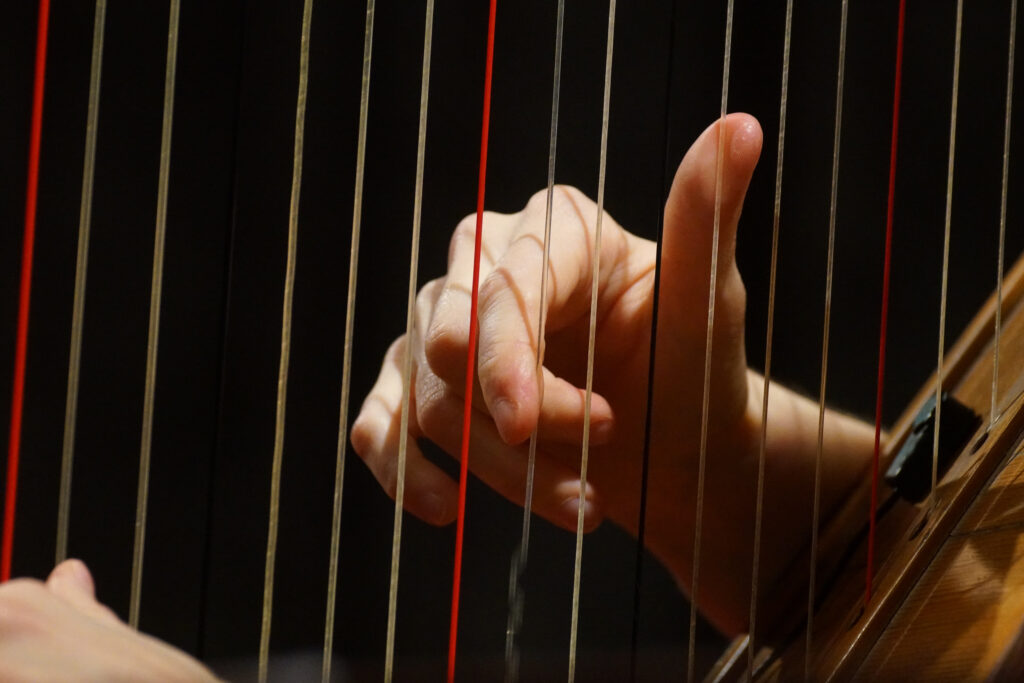
The list includes a remarkable range of skills, from hat making and harp making to wheelwrighting and specialist glassmaking. Each represents a unique piece of living history and an irreplaceable part of our cultural identity. 

When a craft disappears, we lose more than a practical skill. We lose stories, techniques, traditions and knowledge that may never be recovered. It is impossible to measure the cultural cost of losing skills that have often been passed down through generations. 

Events Supporting Endangered Crafts 

The encouraging news is that throughout 2026 and beyond, a growing number of events are helping to showcase, celebrate and preserve endangered crafts. 

Among the events taking place are: 

Marquee of Endangered Crafts at Craft Festival, Devon 

Running from 12 to 14 June 2026 at Mill Marsh Park in Bovey Tracey, this hands-on festival features live demonstrations of rare trades including Dartmoor shoemaking, flax processing, clay pipe making and traditional wagon painting. 

Willow Foraging Basket Workshop, Cirencester 

Taking place on 27 June 2026 at New Brewery Arts, this workshop teaches participants the traditional art of basket making using foraged willow. 

Endangered Crafts Exhibition, Stourbridge Glass Museum 

Running from 11 July to 7 November 2026, this major exhibition showcases works created using critically endangered and extinct glassmaking skills, including scientific glassblowing, neon making and copper-wheel engraving. 

Mansfield’s Historic Craft Village 

On 4 July 2026, the Four Seasons Shopping Centre in Mansfield will be transformed into an interactive heritage village. Visitors will be able to meet master craftspeople demonstrating traditional woodworking, leatherworking, bow making and historic wallpaper restoration. 

Willow Crab Pot Workshop, Devon 

Also taking place on 4 July 2026, this workshop at MAKE Southwest gives participants the opportunity to learn the traditional coastal craft of creating functional willow crab pots. 

Staying Alive Exhibition, Devon 

Co-curated with Heritage Crafts, the Staying Alive Exhibition at MAKE Southwest shines a spotlight on 14 master makers who are keeping some of the South West’s most endangered crafts alive. 

Running until 4 July 2026, the exhibition features demonstrations and workshops covering basket making, oak bark tanning, bobbin lacemaking, boatbuilding, sailmaking, Cornish hedging, wheelwrighting and flax processing. 

These events demonstrate how craft events UK are helping to raise awareness, attract new learners and support the future of traditional making. 

Opportunities for Craftspeople 

The Harley Open 2026 in Nottinghamshire is currently accepting applications from artists and heritage craft practitioners. 

This year’s exhibition is particularly exciting because it will, for the first time, include 3D, sculptural and free-standing works. Successful entrants will have the opportunity to present their work to new audiences and compete for prizes of up to £3,000. 

For many makers, events such as these provide invaluable exposure, networking opportunities and potential sales. They can often become a stepping stone towards larger commissions, collaborations and long-term business growth. 

Protecting What You Create 

Whether you are attending a local fair, demonstrating a heritage skill or exhibiting work at a major festival, protecting your craft business is essential. 

Every event brings opportunities, but it can also introduce risks. Valuable stock, specialist tools, public liability concerns and unexpected incidents can all affect your business and livelihood. 

At Craft Insurance, we have been providing specialist craft insurance and craft business cover since 1986. We understand the unique challenges faced by makers because supporting crafters is what we do every day. 

Unlike general insurers, we focus specifically on the craft sector. We aim to provide straightforward cover without unnecessary extras, so you know exactly what protection you have in place. Our policies are underwritten by Hiscox, one of the UK’s most respected specialist insurers, and include access to an award-winning claims service should you ever need it. 

Most importantly, when you contact us, you will speak directly with Samantha or Naomi. Both have extensive experience within the craft insurance sector and will take the time to understand your business, answer your questions and help arrange cover that is right for you. 

Get Ready for a Busy Season 

As the popularity of craft events UK continues to grow, there has never been a better time to get involved. Whether you are looking to showcase your work, learn a new skill, connect with fellow makers or help preserve an endangered craft, there are countless opportunities waiting to be discovered. 

These events are about far more than sales and exhibitions. They help keep traditional skills alive, encourage new generations of makers and strengthen the creative communities that make Britain’s craft sector so special. And while you focus on creating, demonstrating and growing your business, make sure your craft business is protected with insurance designed specifically for makers. 

To discuss your requirements or obtain a quotation, contact Craft Insurance today and discover why UK crafters have trusted us to protect their businesses for almost four decades. 

Candle business insurance: why every candle maker needs the right cover.  

Making candles and wax melts has become one of the most popular craft businesses in the UK over the past few years. What often starts as a hobby on a kitchen table can quickly turn into a thriving small business, with products selling at craft fairs, online and through local retailers. If that sounds like you, or if you are just starting out and wondering whether you need insurance, the short answer is: yes, you do. 

Candle business insurance is not just a box to tick before your first craft fair. It is the thing that protects your finances, your reputation, and your peace of mind if something unexpected goes wrong. And in a business where fire, heat and open flames are part of the process, the unexpected is always worth planning for. 

Why wax melt and candle makers are more exposed than they might realise. 

Here is the reality that most new candle makers do not fully consider. You can pour the perfect candle, write clear instructions, package your products beautifully and send them out with care. But once that candle or wax melt is in a customer’s home, you cannot control what happens next. 

Wax melts can be a fire risk if the wrong kind of melter is used. Candles left burning too close to curtains, furniture or bedding can cause serious damage. Most people are sensible, but distractions happen. Electric wax melters get left on overnight. Instructions get skimmed or ignored. Fire and rescue guidelines recommend that wax melts are not left melting for longer than four hours at a time, but not every customer will read that. 

As the person who made the product, you are not responsible for how a customer chooses to use it. But if that customer suffers injury or property damage and believes your product was at fault, they have the right to make a claim against you. Defending that claim, even if you have done nothing wrong, can cost thousands of pounds in legal fees alone. Without candle maker insurance in place, those costs fall entirely on you. 

What wax melt and candle making insurance actually covers. 

The foundation of any candle business insurance policy is public and product liability cover. This protects you if a customer or member of the public makes a claim against you for injury or property damage caused by your products or your activities. It covers your legal defence costs and any compensation awarded, even if the claim turns out not to be your fault. 

You will also need proof of public liability insurance before most craft fair organisers will allow you to take a stall. It is one of the most commonly requested documents when booking events, so having it in place means you are ready to trade wherever you want. 

At Craft Insurance, we have spent the past year improving and simplifying our cover so that candle makers get more protection without more complexity. Professional indemnity is now included as standard with every liability policy, so if you teach candle making or run your own exhibition, you are covered for that too. 

If you want to protect the physical side of your candle business as well, our business items cover has been simplified so you no longer need to separate saleable stock from raw materials. Tools, equipment, display stands, card readers, laptops and finished stock are all covered under one straightforward category. Insure as much or as little as you need, and there is no complicated split to worry about at claim time. 

Why Craft Insurance is the right choice for candle business insurance. 

This is an area where we want to be straightforward with you. Some insurers have specific exclusions that affect candle makers, home fragrance sellers and wax melt businesses. Products like room sprays and reed diffusers are excluded by certain providers without it being obvious until you need to claim. With Craft Insurance, what you make is what we cover. We have very few exclusions and we are always upfront about what they are. 

We also do not charge administration fees. If you need to change your policy, add cover or remove something, there is no extra cost. No cancellation fees either. Other insurers charge up to £15 for amendments that we handle at no charge, because we think that is simply the right way to treat customers. 

We have been providing candle making insurance and craft business cover since 1986. 

Nearly four decades of focus on crafters means we understand the risks involved in a candle business in a way that general insurers never could. Our policies are underwritten by Hiscox, one of the UK’s most respected specialist insurers, with an award-winning claims service if you ever need to use it. 

When you call us, you will speak to Samantha or Naomi. Not a call centre. Not an automated system. Two people who know this business inside out and will take the time to make sure you have exactly the right cover for what you do. 

Getting your candle maker insurance sorted is easier than you think. 

Fill in our straightforward online form, give us the basic details about your candle business and what you need to cover, and you will have your quote in minutes. Your documents are issued instantly on payment, so you can be covered and ready to trade the same day. 

If you get stuck or want to talk through what you need before you start, pick up the phone. Sam or Naomi will walk you through the whole thing. Getting the right candle business insurance in place is one of the most important steps you can take as a candle maker. We have been helping crafters do exactly that for nearly forty years, and we are here to help you too. 

Get a Quote Now | Speak to Sam or Naomi 

We’ve Made Stock Insurance For Crafters A Lot Simpler

Anyone who’s been crafting for some while will have his or her own set of disaster stories. Maybe a mug of coffee has tipped over, soaking and staining a pile of ready-for-sale, handmade cards. Maybe an adorable new puppy found its way into a beautifully carded pile of fleece and used it as a toilet. Or maybe the shelf where you keep your finished ceramic products collapses and the whole lot comes crashing to the ground.   

While a sense of humour and natural resilience may allow us to laugh at them after the event…possibly a long time after the event … the actual incident can be heart sinking, financially devastating and even put a stop to your trading for a while. Having organised workspaces and a backup plan for craft fairs will minimise the impact of any unforeseen disaster but unfortunately, as we all know, life happens and sometimes, the curveball comes our way and there is nothing we can do to stop it. This is where having stock insurance for crafters can literally be a business saver. 

And it’s not only stock. Tools and equipment can be stolen or damaged, which not only means an expensive knock to the pocket to replace them, but also can mean a temporary hiatus in product, adding to the financial impact.  

It’s not just in the workshop that disasters can happen, or from the workshop that tools can be stolen. Exhibiting at craft fairs is the backbone of many crafting businesses and, without wishing to sound like a promotion for a blooper reel, being out and about can open another door to mishaps. Imagine … you arrive at a craft fair on a freezing morning with hours’ worth of Christmas themed produce really to sell. As you walk into the hall, you slip on some ice. While fortunately you don’t sustain any major injuries, your beautiful glass decorations take a flying leap. Or conversely, on an unseasonably hot day and after a long car journey stuck in traffic, you unpack your wax melts and find they have not only lost their definition but fused together in the heat.  Both of these could be catastrophic not only for the actual event, but for the financial health of your business. Having stock insurance for crafters in place, while it will not ease the disappointment of having hours of hard work gone in a moment, will ease the financial impact and enable you to pick yourself up and carry on making and selling. 

What is stock insurance for crafters and what have we done to make it simpler?  

We know that behind every craft stall or small craft business there’s a significant investment in materials bought, products made, tools accumulated, and equipment used to trade. But what if that stock was damaged at a fair, tools were stolen from a car, or a laptop was lost on the way to an event? 

Business items and stock cover gives you that extra layer of protection for the physical side of your craft business. It’s an optional add-on to your base public and product liability policy, and like everything at Craft Insurance, we’ve simplified it so you only insure what you have, at the level that makes sense for you. 

You can insure your stock through all stages of production, from raw materials through to finished, saleable products. This could be particularly relevant if you are out and about on the craft circuit, as it includes damage in transit as well as at the event. At large events you may leave your stall set up overnight, and stock insurance will cover you if the unimaginable happens and products are stolen or damaged; theft as well as damage is covered. 

We also cover electronic devices, used for making, promoting or selling your crafts. Laptops, for example, or cameras used for taking photos for your website. If you sell at craft fairs regularly, you will no doubt have a card reader, and these nifty little devices, as well as iPads and laptops, can be susceptible to theft. Our standard excess is £50, regardless of the amount of your claim; you’ll find this is a competitively low excess. 

Another point to consider is that you may wish to add to your insurance. While at first glance our quotes might seem to be higher than big name competitors, this is intentional as we charge a one-off price with clarity of what it includes. We do not charge an initial admin fee, nor do we charge a fee for making amendments to your policy. We work hard to be transparent and ensure you understand the process. To this end, we don’t use call handlers but communicate directly with all our customers. This means that not only do you not waste your time waiting in a call queue, but you also get individual, expert advice. If you prefer to do everything online, you can fill in the form on our website, and we will send you a quote based on what you tell us. This way, you are only paying for what you need.  

All our insurance packages are completely bespoke, as what is included will depend on your unique business needs. Public and product liability are the base cover, and you can then add to that as you weigh the costs versus the risks. As a family business we have learnt about craft insurance over the past few decades, and this knowledge has been passed down through the generations. So, while we are up to speed on all the latest policy changes, we also have a wealth of experience which we can share with you. We understand your journey from the kitchen table upwards, so pick up the phone and Naomi or Sam will be here to answer all your questions about stock insurance for crafters.