Why is Black Friday Damaging To Small Crafts Businesses?

What is Black Friday and how did it start?

If you’re anything like me, your inbox is probably filling up with dozens or even hundreds of emails from companies trying to entice you to enjoy their Black Friday Sale. What started as a single day of madness across the Atlantic appears now to have evolved into a month-long tirade against our better judgement, tempting us to part with our hard-earned cash for the sake of an exciting ‘deal’.

While there are multiple accounts as to the origins of the term ‘Black Friday’ I think the most likely and certainly most relevant appears to date from 1950s Philadelphia. The city’s police force used the term to describe the post Thanksgiving chaos that ensued when the centre was flooded with shoppers and tourists.. the crowds and traffic meant shoplifters were able to take advantage, adding to the strain on their departments on that day. Why on earth retailers would want to jump on this bandwagon as a positive thing is beyond me! Oh yeah,,, making money!

Why does Black Fox Metalcraft not have a Black Friday Sale?

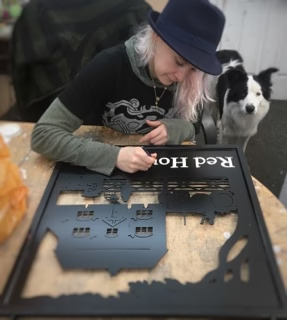
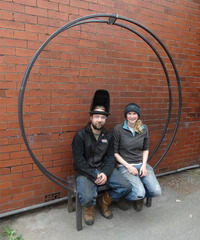
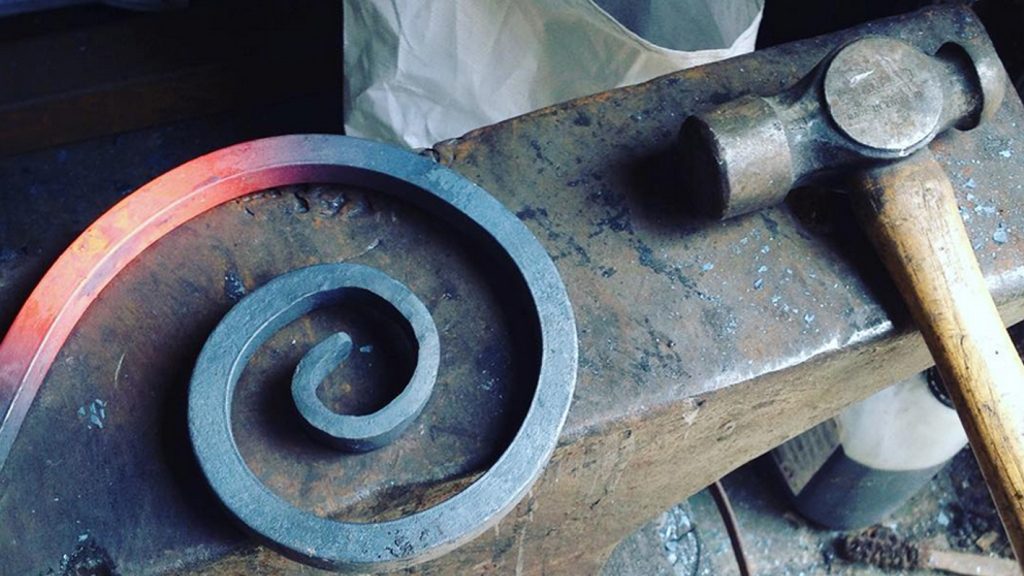
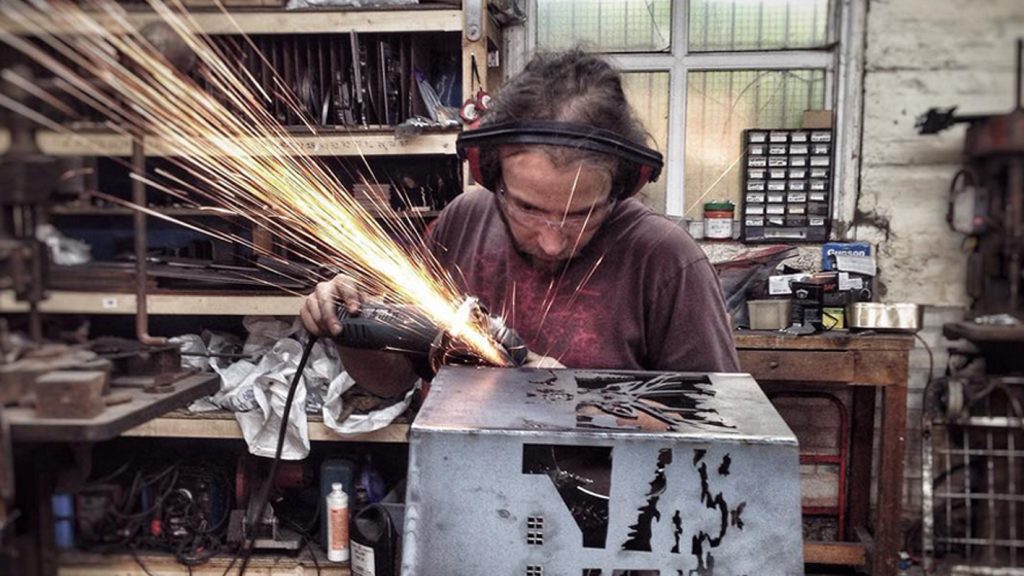
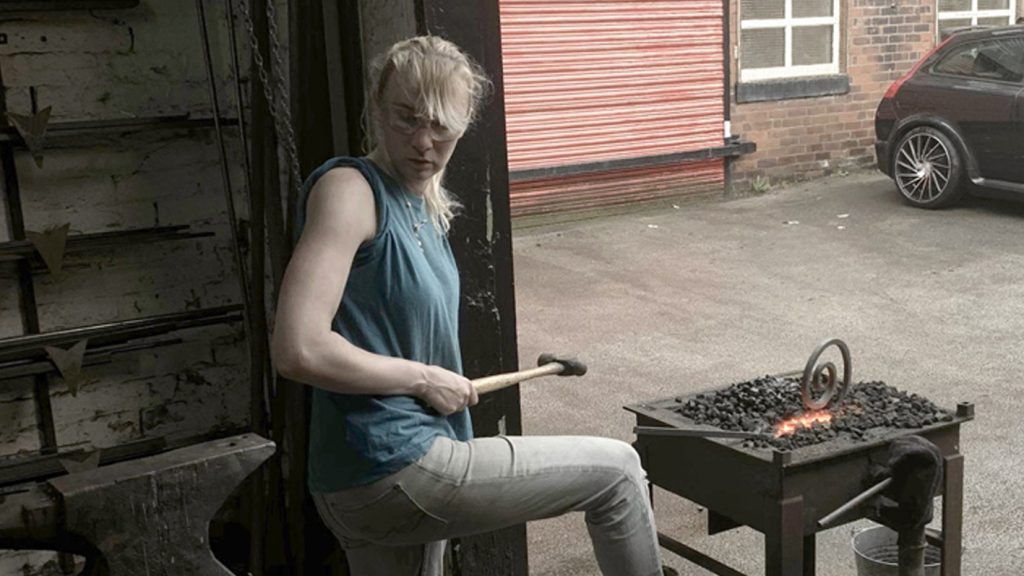
For a small family-run business like Black Fox Metalcraft who designs and manufactures all of its products in the UK, Black Friday can actually be really damaging. The constant aggressive marketing around Black Friday Sales has altered people’s expectations of what Christmas shopping is, and what represents good value. This puts pressure on small businesses and hand makers to offer discounts when actually our margins are tight all year; as a UK business is it hard enough as it is competing with mass produced products online before you factor in Black Friday.

Our weathervanes and hanging signs are sold at a fair price all year round with enough to earn a wage but little margin for profit after that. Any discounts would mean we wouldn’t make enough to earn even a small wage, plus I also think it sets the wrong tone with our customers so it’s not something we want our company to be involved in at all. The entire internet seems to go completely frantic with pages trying to push their Black Friday sales on you, meaning that small businesses not able to offer this are hidden from view. As Black Friday has grown exponentially from a single day 10 years ago through to pretty well an entire month in 2024, it’s become harder year on year.


Goods being sold at inflated prices all year round enabling impressive-looking discounts for a couple of weeks in November can give the appearance of a good deal, but I’d urge people to look beyond this. Most online companies offering Black Friday discounts are doing drop shipping, where they have no real overheads or costs and are as such able to reduce their margin, sell more and still enjoy the same profits.

What is dropshipping?

Drop shipping is where something is ordered through a website but sent directly from the wholesaler abroad. This means that the seller does not incur any costs other than admin and the marketing of a website, so if they sell twice as much stuff at half the profit, it makes negligible difference to them in terms of time and costs.

This extravaganza of excessive consumerism takes customers away from UK makers who genuinely create what they sell and cannot compete. More often than not, Black Friday and Cyber Monday deals are just an exercise in putting money in the pockets of Jeff Bezos and similar Chinese counterparts, rather than back into the UK economy.

We are not helped by marketplaces like Not on the High Street who insist on promoting these increasingly excessive events; they are supposed to be championing small local handmakers and instead add to the problem by putting pressure on to reduce our prices. Our metalwork is made to order with care; it is bespoke and cannot be mass-produced in advance, so even if we wanted to take part, we are just not that sort of business and never will be, not without compromising on the quality or value that we offer for the other 11 months anyway!

Last but by no means least importantly there is the environmental impact to consider – can buying and shipping tons of cheap mass-produced items all over the world ever be anything other than detrimental?

What can I do to help crafts businesses and retailers in my area to survive?

  • Black Friday deals may seem tempting, but ask yourself do I really need this? Is the deal as good as the website wants me to believe? Where is this item being manufactured and where is it shipped from? If you are purchasing online, try to buy from UK businesses where possible, even if it means spending a couple of pounds extra.
  • Buy gifts from your local high street, or see if there are any craft fairs coming up nearby. Or make a day of it like people did not so long ago and spend the day in your nearest city centre, enjoying the atmosphere as we head into the festive season.
  • Try to buy direct from the maker so they can avoid paying the sometimes huge commissions taken by some online marketplaces.
  • Make something! There is no bigger antidote to mass consumerism than a home-made gift.

I’m not saying that mass production or buying from overseas is entirely a bad thing, clearly there can be plenty of value in both in the right situation. However, the extent that it has taken over in such a short period of time is a direct cause of the closure of many high street retailers and craft businesses in the UK, and the only way to change this is to support them. So why not try to buy a couple of gifts locally this year?

This blog was written by Black Fox Metalcraft and you can visit their website here.

Last Minute Christmas

It’s true that the term “last minute” will mean different things to different people. When it comes to Christmas, for some of us preparations began in January, with wrapping paper and various gifts purchased in the January sales and tucked away in clever caches, to be added to over the year.

Those of us whose products or services relate to Christmas and Christmas gifts will be getting ready for the big push months in advance. There are Craft fairs to prepare for and attend with everything that entails including public liability insurance for craft fairs UK to purchase. Anyone planning in this way might view last-minute preparation as anything that takes place in December…

For others, Christmas begins in December, with a whirl of gift purchases and social activity with family, friends and colleagues. It only starts to slow down once the turkey and the last mince pie have been polished off on Christmas Day.

For some, Christmas starts somewhere around the evening of the staff Christmas party when the panic begins to set in that not a single gift has been purchased or decoration put up. Everybody is asking about how the Christmas preparations are going but it’s difficult to give an honest answer!

Wherever you fall on the spectrum of Christmas readiness, here are a few ideas that might add to your Christmas and help to make any preparations less stressful, especially if you are busy at craft fairs with the sales of handcrafted goods at the busiest time of your year!

Christmas Tree

If you can, why not head out to the countryside on a sunny day in November or early December and buy a freshly cut Christmas tree? They can be cut and purchased early from Christmas Tree farms (as they’ll be growing in the ground) and they’ll last throughout the Christmas season without shedding needles. (As long as you don’t put them too near radiators or other heat sources they’ll be more likely to dry out). Besides, if you get the tree up early, there’ll be plenty of opportunities to enlist help to decorate it, and there will be no hurry to do so.

Christmas starts with the smell.

Smells can be so evocative and the smell of Christmas is bound to get you in the Christmas spirit and thinking forward to the big day! Scented homemade candles and wax melts perfumed with cinnamon, orange, gingerbread, cloves or pine instantly bring a Christmas mood to the home and they usually last for ages too.

Christmas Decorations – start outside

Decorating at Christmas should be enjoyable and it doesn’t have to cost the earth! Wreaths are a great idea as wreath rings are cheap with some florist wire to hold everything in place. Then get creative with greenery, spare baubles and whatever else you can find! Alternatively, have a look online and buy one. Hanging up wreaths outside your doors signals that as far as you are concerned, the Christmas season has started!

Christmas Decorations inside

It’s easy to get into the Christmas spirit when you hear Christmas music and twinkly lights but trying to fit in putting up the decorations can be overwhelming!

One idea to cut back on the time is to choose only one or two areas of your home to decorate and leave it at that. It might be that you stick to decorating the tree, or choose a prominent surface to decorate like the fireplace mantel. Or maybe keep decorations simple – for example, by using lights or natural decorations like pinecones, greenery, twigs with berries, nuts and cinnamon sticks.

Christmas Gifts

If you tend to put off buying gifts as you have no idea what to get, why not switch it up this year? Set some time aside in early December and devote it to thinking about gifts. Think about the lifestyle, interests & hobbies that your loved ones have. Next, consider what type of gift they’d make the most use of. Think about what they like to do in their spare time, or how they like to spend their day-to-day.

If all else fails – here are some ideas for gifts that never grow tired…

Handmade jewellery

Jewellery is among the gifts that will always be appreciated by the recipient. The gift of handmade or personalised jewellery is a beautiful gesture that speaks to the heart.

Nightwear

Another gift that brings a lot of comfort at Christmastime is pyjamas, socks and slippers! Quality or luxury pyjamas are a lovely thing to have as they are something that people are less likely to buy for themselves. Comfy slippers or woollen, handmade socks might seem a bit boring but if they are thick, luxurious and warm, they make a delightful gift.

A nice travel bag

A sturdy canvas or leather travel bag, should last for years, however your loved one chooses to use it!

The gift of a pastime

Christmas is the perfect time to usher in a new interest or passion. The gift of a sewing box, painting set, chemistry set or a “how to” book can be the start of a pastime that brings lifelong pleasure or even a career!

For all our clients who have already been travelling the country selling Christmas wares at craft fairs, we wish you all the best. And if you are just starting on the circuit, be sure to have your public liability insurance for Craft Fairs UK in place before you go! Simply give us a call on the office number and either Naomi or Sam will be happy to advise you as to which public liability insurance for craft fairs UK is right for your business.

The Perfect Christmas Gift

The giving and receiving of gifts has long been associated with this time of year. Way back in our pre-Roman, pagan culture folk gathered together around the Winter Solstice to feast, celebrate and exchange gifts. A little later, the Druids continued this nature-based ritual and gifted sprigs of mistletoe to wish good fortune in the coming year. With the coming of the Romans, Saturnalia was celebrated in mid-December with the exchange of gifts being a part of the often raucous revelry. As Christianity spread throughout the Roman empire, the season of gift-giving was gradually moved a couple of weeks forward to the sixth of January. This is Epiphany, the day on which the Magi’s visit to present gifts to the child Jesus is remembered. This bestowing of gifts from one to another continued right through Medieval Britain until the time of Cromwell’s Commonwealth in England and Wales when no celebrations were allowed over Christmas. Meanwhile, Hogmanay remained the biggest celebration in Scotland and in many parts of Europe, gifts were exchanged on the sixth of December, St Nicholas’ Day. Meanwhile, with the growth of Protestantism the date for giving gifts changed to 25 December as the number of feast days were reduced.

As we all know, it was the Victorians who really introduced many of the traditions we now associate with Christmas. Up until then gifts had mainly been exchanged between adults and celebrations were often rowdy and disorderly. The Victorians wanted to change the focus of Christmas from the unruly festival it had always been to an altogether more wholesome celebration that the whole family could enjoy. Thus children were now included in the gift lists and with the advent of Santa Claus or Father Christmas, the giving of presents has become a central part of our festivities.

Depending on our resources of finances and time, and our personality type, present buying may either be an arduous chore and source of anxiety or a delight-filled task accompanied by a sense of fun. Some start Christmas shopping months in advance, accumulating meticulously thought-through gifts for family and friends. Others may do a last-minute dash to the shops, or nowadays an internet trawl a few days before the great day. Many families are cutting down on the volume of presents bought at Christmas, mindful of squeezed finances and the environmental cost. However, there can be great pleasure in choosing and receiving an ideal gift; hand-crafted items which are kind to our beautiful world, are well made, durable and completely unique are an obvious choice.

Each hand-crafted gift will be distinctive, but are there ways you can add an extra something and individualise your products a step further? You may take individual commissions, for example, pet portraits or landscape paintings. Or you might already engrave specific names onto key rings, leather pouches or jewellery.

What about aiming at some gifts for a hard-working mum? A cushion with each member of the family embroidered on it, or maybe the birth flowers of her children alongside their names. This could also work with a hand-painted ceramic plate or a homely oversized tea mug. Continuing with the theme of children, there are lots of opportunities to add specific names to general products. A string of bunting or a cushion with a child’s name on is not only a special present for the child, but will also be appreciated by his or her parents….especially by mum!

There is so much food and drink associated with Christmas festivities and having some distinctive crockery set apart just for this time of year can become as much a part of the family tradition as the decorations. What about adding a favourite line from a Christmas carol to a platter on which mince pies will be served, or painting the recipients’ names onto mugs, ready to be filled with hot chocolate topped with whipped cream and overflowing marshmallows.

We Brits have a reputation for being besotted with our pets (often with good reason!) so why not hone in on this with your Christmas orders? A dog owner is sure to love a dog bowl with the name of this much loved pet on the side, a dog cushion with a similar name display, maybe a cute personalised tree decoration or even a special doggie stocking?

Christmas is a busy time of year for most people, and none more so than for craft business owners as you juggle a major sales period with your own preparations. For those to whom this is your first Christmas season, you will be looking for small craft business insurance UK. This generally covers public and products liability and can cover you for others areas such as employers’ liability. While public and product liability are not a legal requirement, having small craft business insurance in place will cover you for those incidents which are completely unforeseeable and therefore our of your control. The cost is not exorbitant; check out our website for customer reviews. We ourselves are a small family business and as such ensure we communicate directly with our customers. So, pick up the phone or drop us a line and either Sam or Naomi will be here to talk you through the small craft business insurance UK required for your unique business.

Whatever our financial or time resources, the giving of a thoughtful and personal gift can go far deeper than the item itself. We all have a need to be seen, and in a world where human connection is gradually being eroded by bots and AI this need is ever greater. A personalised gift tells the recipient that they are valued, that what they do and who they are is appreciated and that they are loved. Who would not want to receive this message? So, as we think through our gift list this year, is there someone who needs that extra special personalised gift? And we hope that you also may receive some beautifully wrapped gifts which assure you that you too are seen and appreciated.

Make Your Craft Business Sparkle This Christmas

With Halloween and Guy Fawkes out the way, retailers everywhere are getting ready for Christmas. For artists and crafters, there’s no better time than Christmas to make the business stand out. Beautiful handmade gifts that stand the test of time are the perfect way to bring happiness to friends and family! It’s time to shout about the joy that craft businesses bring at Christmas!

An effective way to do this is to enlist the help of Google reviews. Positive reviews help build trust with new customers, but they also boost your business’s visibility on Google Search and Maps. For small craft businesses, a well-maintained Google presence can make a world of difference.

How Google reviews make a difference

Statistics show that consumers do read online reviews before making purchasing decisions. Positive reviews don’t just make your business look appealing; they also impact search engine rankings, making it easier for customers to find you. This means that Google reviews will encourage people to choose your products because customers will find you first.

Reviews also act as proof of quality. If an issue were ever to arise related to product quality or service, positive reviews offer assurance (along with the right public liability insurance for crafters).

How to start leveraging Google reviews for your craft business

If you have not started collecting reviews, first you’ll need to set up a Google business profile. It’s free and it puts your business on Google Maps, which increases visibility for potential customers in your area.

It’s not difficult to set up a Google business profile, it’s just a question of using your Google account and following the prompts. You will be asked to verify your business which means that Google will send a postcard to your business address to verify your details.

Once Google has verified you, your Google business profile will allow you to encourage customers to leave reviews and (most importantly) you to be able to respond to them.

N.b. Just a quick note that once you have a Google business profile you need to remember to keep it up-to-date! As it is crucial for local SEO, you’ll be missed if any of the details change and you don’t update it. Especially at Christmas time with extended opening hours and special festive offers, it’s really important to keep customers informed.

1. Make it easy for customers to review

It’s important to make the process clear and easy for customers to leave reviews. Do this by generating a short, custom URL that links directly to your reviews page. This link can be shared across your social media profiles, added to email signatures, or even printed on receipts or thank-you cards. A short URL simplifies the process for customers, so they’re more likely to take a moment to write a review.

2. Get your first review

Before going fishing for a review, you need to be aware that Google doesn’t want businesses to offer incentives in return for a review. Google prohibit doing this. You don’t want to risk penalties and harm your credibility.

However, there is nothing wrong with reaching out to your repeat customers and kindly asking them to leave a review to help you improve and grow your business. There are a lot of people out there who want to support local businesses and buy local, and leaving you a review is all part of doing this.

3. Follow up after purchases

Straight after a customer buys from you, whether online or at a craft fair, dedicate five minutes to send them a friendly email or message thanking them for their support with a link to your Google review page and a polite request to share their experience of shopping with you. If you act quickly, customers are more likely to respond!

4. Publicise Google reviews on your website and social media

Add a testimonials page to your website to feature positive reviews, or embed them directly if your platform allows it. Share reviews on social media – Google even provide free templates that you can use to create posts! Throw off the British tendency to shy away from blowing your own trumpet and let the world know how good you are! People will read these reviews and act upon them.

5. Respond to reviews

Thank your customers politely for leaving positive reviews! If you can, reply to each review within 24 hours. If you do this, your Google reviews are more than a marketing tool, they become a great way to connect with customers.

Making your craft business sparkle on Google this Christmas will take a little bit of extra time but it’s worth the investment. Also, don’t forget that with a Google business profile, you are well placed to start running Google Ads to further promote your Christmas stock.

If you are new this Christmas to selling your handmade gifts online or at craft fairs, please do get in touch with us for advice on the correct public liability insurance for crafters. Every craft business is unique but we have the experience to help and advise you to find the correct cover. Just put in a call to Naomi or Sam at the office to find which public liability insurance for crafters is the perfect fit.

Here’s to a festive season filled with happy customers and five-star reviews!

Getting Crafty With The Christmas Table

Coming home for Christmas…what images do these lyrics bring to mind? Maybe a young adult, living in the city, throwing a week’s worth of clothes, some random presents and a pair of walking boots into his car and heading out through the traffic until he reaches the open country and eventually pulls up at home, to be wrapped in hugs by excited parents and a gaggle of younger siblings. Or maybe a young woman, finishing her first term at university, backpack overflowing as she navigates buses and trains to finally pull up at her home station to be encircled in her father’s arms, as they both pour out their news in unison. Or perhaps it is a weather-worn farmer trekking through the snowy fells to tend to his sheep and being heartened by the warm glow emitted from the farmhouse kitchen as he wends his weary way home.

Whatever picture appears in your mind’s eye, home is both the destination and the centre. Christmas movies often portray houses picturesquely covered in snow, twinkling with an abundance of fairy lights, richly decorated with evergreens, sparkling baubles and scarlet bows and a laden table in the midst, ready to receive the happy throng of the gathered family to enjoy eating, merriment and spending time together.

While our homes probably look nothing like this, and the reality of family gatherings is that they can be anything from fun, noisy and messy to stressful, painful and a lot of work, the fact remains that Christmas is a time when our paths converge and food is a central part of the festivities. While we all acknowledge that this can be challenging at times, sharing food around the table, eating and talking is often a wonderful way to forge connections and deepen relationships.

Our homes and tables do not need to be movie-perfect. Acknowledging that they won’t be can take the pressure off and reduce the expectations we often put upon ourselves, thus giving us the freedom to open our doors and invite family and friends in to simply enjoy being together. Who would not like to be welcomed into a cosy home, greeted with a smile and have someone show a real interest in their hopes, challenges and dreams? If we would like this, so would our friends and family. So, why not decide, this Christmas period, to do slightly less, to lower the expectations of perfection and instead to invite family, neighbours and friends into your home? This does not have to be for a meal; sharing a pot of tea and a sweet treat over the kitchen table can enable your guest to leave feeling sustained and encouraged. You could help cultivate local friendships by inviting neighbours in for a glass of mulled wine and a mince pie. You might welcome family members home with a favourite meal, lingering around the table long after the food is finished.

All these are about connection, not a perfect home. Food and decor do not need to cost the earth, yet some well-chosen, stylish festive tableware will quickly create a sense of warmth and celebration. One of the joys of Christmas crockery, table linen and centrepieces is that they come out year after year, becoming part of the fabric of the season and the traditions of the family. As small craft business owners, your products will provide both simple elegance and longevity as shoppers look for purchases which will last for many years. Christmas is a great opportunity to promote the uniqueness of your products, their durability and your company’s environmental credentials. A set of beautifully crafted, hand-thrown Christmas mugs will bring a festive note to a cosy tea party, while an elegant table runner or stunning centrepiece will transform a simple meal of homemade soup and crusty bread into a feast.

Now is the time to loudly and confidently promote your unique hand-crafted Christmas tableware, whether that be online or at Christmas fairs and markets. In a fast-paced world, products made with raw materials rooted in their locality and a story alongside have an extra appeal. If you use driftwood for candleholders or centrepieces, why not write a paragraph about the beach where it is collected? Or the woodland from which your pine cones are foraged. Maybe you could highlight a local, talented craftsman or woman who creates the Christmas products your customers are buying.

Linen tablecloths, runners and napkins will add a natural beauty and timeless charm to your festive table. Make sure your customers know the many benefits of linen which make it a worthwhile investment.

With a stunning Christmas range of tableware which will bring festive merriment and delight to any gathering over the holiday season, you need to ensure you promote your products effectively and sell them well. Whether selling online or at fairs and markets, you will need to look into insurance for crafters UK. As a family-run business we value each of our customers and communicate with you directly. If you are new to selling your crafts, the whole area of insurance for crafters UK can seem a bit overwhelming. However, it doesn’t need to be, and either Naomi or Sam are here to guide you through to the right insurance for your unique business needs. So, pick up the phone or drop us an email and let’s talk insurance for crafters UK.

Whatever your circumstances, we hope you are able to gather round the table with friends and family, acknowledging the challenges of the past year and those ahead, reflecting on the times of success and celebration and mulling over the mundane minutiae of everyday life. This is surely part of the substance for a grounded life; gathering together with loved ones around a table lit with flickering candlelight, soft music in the background, enjoying good food within an atmosphere of festive joy. May our tables, dressed with beautiful hand crafted tableware be the focus of many such meals this Christmastime.

It’s Beginning To Look (and Smell) A Lot Like Christmas!

Anticipation is building and preparations are in full swing as we approach Christmas. Traditionally decorations were put up on Christmas Eve (and only after the house was cleaned in some countries across Europe) but, for better or worse, we generally start much earlier these days. It’s fun to watch homes light up with strings of twinkling fairy lights and peep through open curtains to catch a glimpse of finely festooned Christmas trees. Maybe the scene on which our eyes fall will be full of rustic charm, with mantles and shelves bedecked with evergreens, tall pillar candles glowing gently within a nest of fir cones and red berries, and comfortable cushions and rugs thrown over an overstuffed sofa. Or, perhaps the room has a Nordic style, with clean lines, and a calming palette of whites and greys, accentuated with occasional red highlights, elegant and calming, inviting us to linger in its soothing tranquillity. Or, possibly the room is home to a family of excited children, with a riot of brightly coloured and much loved quirky ornaments dotted gaily around every conceivable surface, candy canes strung from bookshelves and well-worn, cheerful stockings hanging over the fireplace. However, our homes are decorated they are a reflection of ourselves and the traditions of our family.

Hand-crafted decorations are, in our minds, an essential part of any Christmas decor. Their durability, having been made well and with carefully sourced raw materials, compares favourably with mass-produced counterparts, as do their environmental credentials. During a season where shoppers are increasingly aware of the amount of landfill produced by the consumerism related to Christmas, locally made, high-quality decorations with sustainably produced or fairly traded raw materials are a big win. Make sure you emphasise these on your product description.

The Christmas season is also associated with a multitude of fragrances; the deep scent of spruce as the tree is lugged into the house, the alluring fragrance of mince pies and mulled wine, the homely smell of cakes and bakes in the oven.

Now, if you have been meticulously building up a range of wax melts over the past few months and looking into how to start at wax melt business, Christmas can be an excellent time to launch out. There is a good range of solid articles on how to start a wax melt business online, so we won’t replicate that here. However, if this is the first article you’ve landed on…welcome to our crafting community…we’d suggest that in addition to the basics of discerning your niche, working out a good business plan, checking out the applicable safety regulations and establishing good suppliers, you also take time and advice over creating your brand; your business, your name, your logo and your story which runs alongside it. Your products will be wonderful, and you need to convince the general public of this! There will be a price edge on handcrafted rather than mass produced products and you need to persuade customers as to why it is worth spending a little extra; the melts will be better quality, they will be promoting a small business and this in turn puts money into the local economy. Your products will tread lightly on the resources of our beautiful earth and they will be better quality and last longer. Another suggestion as you are considering how to start a wax melt business is how you will make best use of social media. Promoting your products is a key to good sales, so be savvy and if social media is not your strong point, get some advice; a clued up teenager or young adult can be very informative!

You will also be weighing up where you sell your melts. Online, with a good website, is certainly an excellent and well-tested option. However, do also consider attending a few markets and fairs, of which there are a plethora leading up to Christmas. Customers are in a festive mood, and looking to purchase gifts for family and friends. There is a joyous atmosphere of merriment and celebration and footfall is usually good. Our final tip to those looking at how to start a wax melt business is to ensure you have the correct craft insurance cover in place. Craft insurance can sound confusing, but we are here to make sure you have the best craft cover for your unique business requirements. As a small family business ourselves, we speak to each of our customers in person, so pick up the phone or drop us an email and either Sam or Naomi will be there to talk with you.

Here at Craft Insurance, we love all the fun and anticipation of Christmas, festooning our homes and business with some gorgeous hand-crafted decorations which are enjoyed year after year and each have a story to tell. However, we also know that Christmas can be a painful time for many who have experienced loss; those for whom the year has been especially tough with no apparent let up as we approach the next one. Christmas can be an especially poignant time filled with memories alongside the pressure to smile and be happy like everyone else.

The funny thing with Christmas is that it can be a time to acknowledge sadness or stress, and having done that, simply celebrate the good things in life for a few short days. A good analogy might be that, in the middle of a storm, Christmas can be like opening the curtains to see that the wind has calmed, the sky has a rosy glow on the horizon and the rain has abated. The storm will continue again until it has worn itself out, but for a brief interlude, there is calm. This Christmas will be like that for some of us; a brief and much needed interlude of respite where we choose to be together and take a breather.

Remember, remember the 5th of November!

Traditions often disappear with generations, their origins forgotten or their significance only vaguely remembered. Some traditions, however, live on regardless as an occasion for celebration. One such celebration, much anticipated by children all over the UK, is nearly upon us – Guy Fawkes Night!

Guy Fawkes Night on November 5th, marks the anniversary of the infamous Gunpowder Plot of 1605 when Guy Fawkes and his group of conspirators attempted to blow up the Houses of Parliament and assassinate King James I.

His motive? He wanted to get rid of the King and his administration because they were Protestants and Guy hoped to restore Catholic rule in England. At the time, the religious turmoil in England often resulted in Catholics and Protestants inflicting death and suffering on each other.

Guy and his co-conspirators slowly amassed gunpowder in the cellars under Parliament from the summer of 1605 and Fawkes was given the job of igniting it on the night of November 4th. He would have succeeded had it not been for an anonymous letter sent to the authorities. Royal guards were sent to search the cellars and in the early hours of November 5th, Fawkes was caught and arrested.

In the Tower of London, he was tortured for information about the rest of the group and the plotters, including Fawkes, were sentenced to be hanged, drawn, and quartered. However, Fawkes, weak from torture, managed to climb high enough up the ladder at the gallows to die from a broken neck on his fall rather than having to endure the full horror of his sentence whilst still alive.  

In the years that followed, after the king’s narrow escape from being blown sky high, he encouraged national remembrance and celebrations on the anniversary of November 5th. People willingly joined in and it became an occasion to show loyalty to the king and for Protestantism. Within a few decades Gunpowder Treason Day, as it was known, became an English state commemoration where people celebrated into the night and burnt effigies of popular hate figures, such as the Pope!

Over the years, November 5th often erupted in scenes of public disorder but decorum was eventually restored as the festivities eventually lost their religious and political edge and morphed into a fun occasion for families to enjoy.

Organised entertainment became popular in the late 19th century, and 20th-century pyrotechnic manufacturers renamed Guy Fawkes as Firework Night.

Guy Fawkes Night also became known as Bonfire Night and any bit of land that could be used was commandeered to build a bonfire. Wood or any other combustible material would be piled up there with youngsters stealing wood from rival bonfires to enlarge their pile or setting fire to someone else’s bonfire before the night of the 5th. These days, however, with our increased awareness of health and safety, bonfires tend to be more organised affairs at sports grounds and public parks across the country, although some people still enjoy a bonfire in their back garden.

Other Guy Fawkes traditions thrived, such as ‘Penny for the Guy’’ where children would make a ‘Guy’ out of clothing stuffed with straw and newspapers. The idea was to take your ‘Guy’ around the streets on a small cart and then ask for a ‘penny for the ‘Guy’. In reality, the penny wasn’t for the ‘Guy’ at all, it would be spent on sweets, sparklers and small fireworks.

Guys would be taken into schools to be shown off and prizes would be offered for the best dressed ‘’Guy’. Then, when the night of November 5th came, the Guy would be thrown onto the bonfire and burnt. This fun tradition has largely died out although you might see the occasional Guy on the bonfire at public events.

Nowadays, burning effigies and rioting have both been replaced by a modern-day Guy Fawkes Night which is an altogether warmer and cosier celebration, quite different from its turbulent origins. Wrapped up warmly in scarves, hats, and coats to ward off the autumn chill, families and friends huddle around bonfires, and watch fireworks roasting marshmallows or sipping hot chocolate.

Crackling bonfires, colourful fireworks bursting overhead, the crowd emitting a chorus of soft aahs – it’s a shared spectacle of warmth, family and community. Many people nowadays also associate Guy Fawkes night with traditional nostalgic treats like toffee apples, jacket potatoes, or treacle toffee, a time of simple pleasures and friendly, family fun.

One of the few outdoor winter festivals that we celebrate in the UK, Guy Fawkes Night offers a great opportunity for sales of homemade woollens. Here are a few ideas…

1. “Stay Warm by the Bonfire” Bundles

Offer discounted sets of woollen goods, like scarves, gloves, hats, and blankets for staying warm and cosy while watching fireworks or gathering around the bonfire. Maybe include some sachets of hot chocolate or a thermos flask!

2. “Bonfire-Ready” Themed Products

Design a limited-edition line of woollen products specifically for Bonfire Night in festive autumn colours or patterns inspired by fireworks.

3. Collaborate with Local Events

Reach out to the organisers of local Bonfire Night events and partner with them, so that you can set up a stall and sell your woollen goods there on the night! If you are going to do this, make sure that you have your product liability insurance for crafters in place!

4. Bonfire Night Giveaway

Host a Guy Fawkes-themed social media giveaway in which people share their best Bonfire Night memories or plans. Offer a free set of woollen goods, like scarves or blankets, to a few winners.

These ideas could help tie your woollen goods to the cosy, communal feel of Guy Fawkes Night, making your products an essential part of the celebration.

If you are just starting as a seller of handmade woollen goods you should obtain product liability insurance for crafters to protect your new business against any possible claims. Why not give us a ring and either Naomi or Sam will advise you as to the right kind of cover? We have many years of experience providing product liability insurance for crafters and we would be delighted to help.

How To Avoid Craft Nightmares

As you begin to read this, just stop for a moment and think of a time when, as a customer, you have been dissatisfied with a purchase or service. Next, think about what caused your dissatisfaction, and then how it was resolved. There are many useful articles online giving sound and helpful advice about how to avoid business nightmares by ensuring you have good customer service protocols in place. Check them out! We are not going to repeat them here, but rather look at what might lie behind good, or poor, customer satisfaction.

At the heart of your business is yourself; your creativity, your dreams, your vision, your personality and your resources. The products you make are an outpouring of yourself, and thus they have much more of an emotional pull on you than if you were, for example, selling someone else’s products. Some even talk about their business as their “baby” and certainly the process from the embryonic idea through to the first product sold can have similarities with pregnancy and labour. Thus, if something goes wrong it can feel personal. Here lies our first suggestion for avoiding craft nightmares; if you have an unhappy customer, it isn’t personal. It might not even be valid, and if it is it could be your error or it could be just one of those things which make up the multi-coloured kaleidoscope of life.

So, if you have a customer complaint, try to take a deep breath, pause for a minute before responding and get ready to listen. Do what you can to get a clear picture of what has gone wrong. If it is something simple, maybe you can fix it there and then with a smile, an apology and a replacement. For more complex problems, think back to that situation when you were the dissatisfied customer; how was the issue dealt with and what strategies worked? We would suggest that fairly central to a good resolution is that the customer feels heard. Can you discern what is behind your customer’s complaint? If it is unreasonable, can you fathom anything else which could be causing the grievance? Once you have done all this, it is usually possible to find a mutually acceptable way forward.

To encourage you, most issues can be dealt with by listening to the problem and taking some practical action to put it right. A friendly attitude, some empathy and good problem-solving skills will stand you in good stead. However, occasionally there will be an unforeseen incident, completely out of your control, and this is where up-to-date public liability insurance for crafters UK is your best friend. While it is generally in your best interest to replace a broken product or refund something which hasn’t met expectations, it is not possible to take on legal fees or compensation if someone claims against you or your product. Public liability insurance for Crafters UK covers you for any claim made that you, your volunteers, staff or products have caused damage to a member of the public. It will cover any legal defence costs and compensation you owe, thus giving you peace of mind as you deal with a difficult situation. While it is not a legal requirement, it is a real “sleep easy” insurance to have. As a family-run business ourselves, we know our customers are central and therefore we like to communicate directly with you. So, pick up the phone or drop us a line and either Naomi or Sam will be here to talk with you and find the best public liability insurance for crafters UK for your unique business.

Having looked at some of the skills needed to resolve a difficult situation, let’s now take a look at what you can do to prevent such situations arising. Obviously, high-quality products, clear descriptions and competitive pricing are a solid foundation for satisfied customers. However, on top of this, we recommend keeping your relationship with your customers as central. We are relational beings, and if your customers can feel they know a little about you and like you as well as what you do, there will be more flexibility when it comes to resolving any tricky issues that may occur. If you sell online, make sure you include a good write-up on your website featuring your business story, how you started, your inspiration and your vision. If you sell in person, you might like to include a business card with each purchase, pointing your customers to your website or social media. Face-to-face selling enables you to build up good customer rapport with each sale. There are plenty of YouTube videos with pointers as to how to achieve this; why not check them out?

Gaining your customers’ trust is key to good customer relationships. Be as transparent as you can with your product descriptions and make sure you promote raw materials which are locally sourced and environmentally kind, as well as any charities you support. You might also consider sending out regular emails to your customers, letting them know what you are working on and any snippets from your daily life as well as product updates. Admin can be hard to squeeze into a busy schedule, but ensuring you follow through on queries and get orders out within the stated time will all help with building good relationships which have trust at the centre.

If you sell locally, a good reputation is invaluable within the community; your business will expand by word of mouth and you will not only retain customers, but they will recommend you to friends. So, keep the communication channels open, allow your natural warmth, friendliness and enthusiasm to shine through and watch your business continue to flourish with loyal, local customers.

No Hibernating This Winter!

Imagine, if you will, a perfect winter morning; cold, crisp air, clear blue skies, a slight hoar frost giving a satisfying crunch to each step and the delicate silhouettes of leafless trees. A morning like this beckons us outdoors, inviting us to adventure and inspiring us to take on new challenges. However, now let your mind wander back to many winter mornings which greet us here in the UK. Depending on where we live, we may walk out to a grey world, often with a slight drizzle and accompanying wet slushy puddles. Opening the curtains to a day like this makes curling up with a good book, a mug of tea and a sweet treat very appealing. However, here in our green-pastured nation, we have faced the variables of the British climate for centuries, often with resilience and good humour making the most of each day as it comes.

As crafters, the winter months offer good opportunities for selling at craft fairs and markets, so whatever the weather, we encourage you to head out and make the most of these days. If you are new to selling at fairs, your first task is to find a few which are local to you and book yourself a place. Do some research beforehand; what customer group will this event attract? It could be families with children, in which case you might like to consider taking some pocket money items, or it could be an evening event with more time to browse, and thus budgets might be higher. Organisers will ask if you have public liability insurance UK for craft fairs which covers you for those completely unforeseen events when an accident happens and a member of the public makes a claim against you. Even if it is not your fault, this insurance will cover you. Insurance, especially if you are new to selling your crafts, can seem a bit daunting. However, as a family-run business who have been working in this area for several decades, we can guide you through the process and ensure you get the best cover for your unique business needs. So, pick up the phone or drop us a line and either Sam or Naomi will talk you through Public Liability Insurance UK for craft fairs.

For those of you who are craft fair veterans, you will probably have a well-rehearsed pre-fair routine of what you need to pack, what you need to arrange and the best order in which to do all this. You may not need many extra suggestions, but we would like to offer one additional tip which you may not have included on your “to-do” list; take care of yourself. These days can be tiring in themselves and usually come after a hectic period of stock production. Unless you are very organised they may also necessitate a late night the day before. So, think about what you will eat and drink while there; try to ensure you have a good breakfast and take a nutritious packed lunch with you, as well as a refillable water bottle. Maybe treat yourself to a warm drink and a tasty snack during the day. If it is likely to be cold, remember to take some extra warm layers, possibly a woollen shawl which is both comfortable and looks stylish. You may not be a make-up wearer, but some lipstick can add to your confidence levels while a small pot of lip balm and some hand cream will moisturise your skin. All these are little things in themselves, but together they speak quiet words that you matter, that you are worth looking after. This added confidence will then spill over into your conversations with customers!

If you are new to the wonderful world of craft fairs, here are a few suggestions of practical items you can consider adding to your “Craft Fair Inventory”. Firstly you will need to get your stock from your vehicle to your display table. Check out parking restrictions at the venue; many crafters find a set of wheels helpful in transferring stock even if parking is readily available.

Next, think through your display. Find out the size of your table and look for a cloth which will not only cover it but will also reach down the front and hide boxes and other items you might want to store. This will give your stall an uncluttered look, drawing customers’ eyes to your beautiful products rather than to a pile of cardboard boxes! Investing in a table covering is an important foundation for your display, so think through colour and texture. It may also be advisable to bring a few “crocodile clips” to discretely secure the cloth to the table; you don’t want a curious child pulling at it and inadvertently causing your whole display to come crashing to the ground! Lastly, consider how you will display your items, how to add height and light and whether you will have any display boards to compliment the products themselves.

As you come to sales, you will need a cash box and float, and a means of card or other payment. Remember to take your sales and order books and a couple of spare pens. Once you have made a sale, how will you wrap your product? Many crafters use paper bags, but you may also consider tissue paper, especially if it ties in with the colour of your brand. It can also be a good idea to pop a business card into each package, so remember to bring a good supply with you.

The days are long and busy, but in between customers, you may be able to work on your craft, thus adding further interest to your stall.

Craft fairs involve some hard work and planning, but are generally very worthwhile, not only in terms of sales but also in the connections you make, the conversations you have and inspiration you imbibe. Remember to get your public liability insurance UK for craft fairs and get out and about in the craft fair circuit!

Where Farm Shops Become Craft Shops

As autumn slowly meanders its way towards winter, our thoughts will be turning towards Christmas and the many marketing opportunities this brings for individually made and uniquely crafted products. While selling online will increase at this time of year, it is also an ideal time to step out and look for venues where you can sell in person. While Christmas can be a springboard for this search, you may well wish to continue selling in this way throughout the following year.

There are many advantages of selling locally and in person. Not all of us can boast of being a whizz with tech, so it might be a relief that selling face-to-face doesn’t require too much growth in that area! It will, however, be a fantastic outlet for those interpersonal and communication skills, giving you the space to get to know your customers. If you can engage with them, sharing the story of your business and introducing them to your products will begin to raise your profile locally. It may be that you also run workshops or experience days, for which you can have some attractive leaflets printed giving details of these to distribute or details on your Facebook page.

Meeting your customers and speaking with them provides invaluable insights into what they appreciate about your products and may spark some ideas for new lines. It’s a great opportunity to ask some open questions and enjoy doing a spot of market research. A good reputation locally will be built not only on the quality of your products but also through good customer relationships. Use in-person selling to build a rapport with your buyers, maybe offering a discount if they recommend you to a friend. Word of mouth is a very powerful marketing tool in a community.

In addition to the traditional craft fairs and markets, there are many more local avenues you can explore to sell your product. If you are fairly small or just starting out, why not look out for some local fundraising events. These could be for any number of organisations from scouts and guides through to primary schools and churches. You will be asked to pay for a table and most probably required to have craft fair public liability insurance but one advantage of these events is that the table cost is usually quite reasonable so you are likely to easily clear it and come away with a profit. In addition, it can often be a good way to network with other crafters in your area.

Another suggestion is to check for any Arts Weeks or similar in your area. The idea of these is for local artists and crafters to exhibit their products, maybe in studios or galleries but sometimes in their homes. The organisers produce a map of the different venues and their opening times and the public comes to visit. This can lead to sales but is also a good way to raise your profile and market your workshops.

Farmers markets and farm shops will often have openings for locally produced, unique, good-quality craft products alongside their own locally produced food and drink. This can be a win all around and a great shopping experience for customers. They could, for example, purchase locally reared meat and organically grown vegetables plus hand-crafted soap and bar shampoo and in addition come away with a gift of a candle for a friend, all within one easy-to-access shop.

You might also like to explore options for selling your products in local craft shops or independent stores. If you live in a tourist area, there may be gift shops which will like to promote locally made crafts, especially if they reflect the area in some way. It could be worth checking out National Trust properties or other similar venues near you as they will often host popular craft fairs and local food markets with good footfall.

Moving away from local marketing, it could be worth searching for craft-specific fairs and festivals around the country. These might be more suited to established businesses as the stall price will probably be greater than a local market, but if the footfall is good, it could be worth the investment. These will also be wonderful networking opportunities and you will come away buzzing with new ideas and brimming with refreshed creativity.

With Christmas fast approaching there will be a plentiful supply of Christmas markets and fairs, from large, well-established events in our cities to smaller town hall affairs in our local communities. As you consider booking for these, remember to do some research beforehand to find out the customer base you are most likely to be serving. For example, a daytime fair based in a school or a small town outdoor Christmas fun afternoon is more likely to have customers looking for gifts in a lower price range than a Christmas craft evening in a stately home where a glass of wine is offered with admission.

Alongside your booking fee, you will also need to consider craft fair public liability insurance as most organisers will ask that you have it. Insurance might sound a daunting prospect, but as a family business that has been working with crafters for several decades, we are committed to ensuring each of our customers get the best package for their unique business. So, pick up the phone or drop us a line and either Sam or Naomi will be here to walk you through craft fair public liability insurance. We look forward to hearing all about your business.

We hope this has provided you with some practical suggestions for the array of venues at which you could sell your crafts. Let us know of others you come across. As well as creating high-quality, unique products, you also have a completely unique and fascinating story to your business. Selling face-to-face is a great way to share this. So, be bold and confident in what you are doing and get yourself and your products out there!