Crafters Keeping Traditions Alive

It’s October, and that means we’ve already started thinking about Christmas. There’s something about the season – the lights, the warmth, the traditions that bring us together. Only did you know that in 1644, Christmas was officially banned under Cromwell’s Puritan rule? Christmas was deemed too festive and extravagant, and it stayed illegal until 1660. Of course, banning Christmas proved to be quite unpopular, and before long, riots broke out in favour of the holiday.

Can you picture a Christmas ban happening today? It’s not that likely, so rest assured, while you might need insurance for craft businesses to protect you against a variety of things, banning Christmas probably isn’t something you need to worry about. Still, for those relying on Christmas sales in Cromwell’s time, such a ban must have had some serious consequences. No cheerful market stalls, no bustling shops, and no festive craft fairs – just dismal, dark December days. Thankfully, Christmas was reinstated, and today, it’s a vital part of many craft businesses’ yearly earnings. So, if you’re busy preparing for the festive season, it’s never a bad idea to obtain insurance for your craft business – just in case!

The Joy of Christmas Traditions

One of the best things about Christmas is that it gives us something exciting to look forward to. Even if you’re more of a quiet celebrator yourself, the joy of planning to make Christmas special for loved ones is enough to brighten anyone’s spirits. It’s a time for festive traditions, whether that means putting up the tree, new pyjamas on Christmas Eve, or a Secret Santa at work.

Christmas is built on traditions, and everyone has their own special ways of celebrating. Over the centuries, however, many long-held customs have evolved or disappeared altogether. Some of these Christmas traditions that have come and gone are more unusual, whilst others could do with reviving today! Here’s a brief list, and you never know, you might just find inspiration here for your next handmade creation!

1) St. Thomas’s Eve (the Day Before Christmas Eve)

Before Christmas Eve became all about last-minute shopping and wrapping, the day before Christmas Eve had its own set of quirky customs. Here are just a few that might surprise you:

Going to Bed with an Onion

British women would take an onion to bed on St. Thomas’s Eve. The idea was to peel the onion, wrap it, and place it under their pillow while asking St. Thomas to send them a sweetheart. Sadly, there isn’t much data to hand regarding his success rate.

Asking for Help When Needed

On St. Thomas’s Day, it was common for poorer folk to go door to door, asking for food or money to help them celebrate Christmas. Depending on the region, this was known as “a-Thomasing” or “a-mumping.”

Meat Shows

Another tradition involved attending meat shows just before Christmas. Local butchers would come together to showcase their finest goods, with awards for the best fat sheep and the best fat cow.

2) Christmas Eve Festivities

While many of us spend Christmas Eve preparing for the big day, in the past, it was a time for its own festive fun:

Burning the Ashen Faggot

In the West Country, people would gather bundles of wood, tie them with nine green lenghts of ash band, and burn them in the hearth. As the ashen faggot burned, families would sing, dance, and enjoy plenty of food and drink.

Wassailing

If you’ve ever heard the term “wassailing,” you might think of carol singing, but originally, it was something a little different. In the 1600s, neighbours would walk from house to house, offering a hot, spiced cider drink. Over time, this tradition evolved into the Christmas carolling we know today.

3) Christmas Day Fun and Games

Playing “Shoe the Mare”

Rather than feeling bloated after a hearty Christmas meal, the Elizabethans had a rather playful way of burning off all those calories! The game “Shoe the Mare” involved a family member running around barefoot like a horse while everyone else would try to catch them. The game was best played in a big garden with an active family!

4) Traditional Christmas Food

One mince pie a day

In the Middle Ages, it was traditional to eat one mince pie every day from Christmas until the 12th of January. Back then, mince pies weren’t filled with just fruit – they included meats like mutton or beef and were flavoured with a blend of spices like cinnamon and nutmeg.

Christmas Pie

Tudor revellers took festive feasting to a whole new level with their Christmas Pie. This was no ordinary pie – it involved placing a pigeon inside a partridge, inside a chicken, inside a goose, inside a turkey, all inside a giant pastry crust!

Christmas Dinner in the Victorian Era

Most Victorian families ate roast goose for Christmas dinner. Wealthier families might have had beef, venison, or even turkey. Queen Victoria herself is said to have enjoyed roasted swan!

5) Traditional Christmas Drinks

Smoking Bishop

This popular Victorian drink was a steaming concoction of port, red wine, oranges, and spices – perfect for warming up on a cold Christmas evening.

Whipcoll

In the Shetland Isles, Whipcoll was a festive drink made from brandy and eggs.

Lambs’ Wool

Hailing from Yorkshire, this curious drink mixed ale with apples, sugar, and cream.

Egg-Hot

In Devon, cider was mixed with egg yolks and spices to create a drink known as Egg-Hot.

Finding Inspiration in Tradition

While reviving these old traditions might not be everyone’s idea of a perfect Christmas, they certainly provide plenty of artistic inspiration! The imagery of traditional Christmases – the warmth of a crackling fire, the scent of spiced drinks, the cosy gatherings – has been a source of creativity for crafters for centuries. For those who feel a bit overwhelmed by the commercial side of Christmas, handmade crafts offer a refreshing alternative.

Rather than rushing around crowded shops to buy gifts just to check them off a list, why not focus on choosing or making meaningful gifts that show thought and care? Crafting something by hand or purchasing from an artisan gives your gift that extra personal touch – a real treasure in today’s fast-paced world.

Getting Ready for a Handmade Christmas

Whatever you’re crafting or selling this season – whether it’s online or at festive markets – don’t forget to protect yourself with insurance for craft businesses. A quick call to Naomi or Sam can help ensure you’ve got the right insurance cover for your craft business, leaving you free to focus on what really matters: spreading joy through your creations.

So, here’s to a prosperous Christmas season! May your crafting bring smiles, and your traditions fill your home with warmth and happiness.

Summer Craft Fayres And Shows To Look Forward To

As every successful craftsperson knows, taking craft to sell at a craft fayre requires a lot of planning and work, and sometimes drafted help from family members or friends to keep the stall going on the day. The paybacks for the effort (apart from all the sales) are an opportunity to build a network of arts and crafts people across your region and a chance to support the craft community and make some new friends. There are some great UK websites out there and online crafting communities that can offer you all the help that you need to get up and running on the crafting circuit. We’d also like to invite you to call us for a chat if you are asking the question, “How much is public liability insurance for a one-off event?”

Even if you choose not to sell and simply visit a craft show, it’s a great way to get creative inspiration and even try something new at someone else’s craft workshop.

Most crafters will have their craft shows planned in for the coming months, but we thought we’d make it easier for anyone starting out in this wonderful world of craft (or offer a reminder of some last-minute dates) and do a bit of sleuthing to compile a list of some of the upcoming UK summer and early autumn fayres and shows of 2024. Where possible, we have included the link for booking a stall for the event and, if you are wondering how much public liability insurance is for a one-off event, you can Get a Quote here.

Dulwich Village Summer Fayre

  • Venue: St Barnabas Parish Hall, Dulwich Village, London.
  • Date: Saturday, 29 June 2024

Devizes Craft and Gift Market

  • Venue: Ceres Hall, Devizes Corn Exchange, Wiltshire
  • Date: 29th June 2024

Craft and Gift Fair Lancashire

  • Venue: Fairhaven Water Sports Centre, Lancashire
  • Date: 29th June 2024

Arts and Crafts Fair

  • Venue: Discover Northamptonshire Hub
  • Date: 29th to 30th June 2024

Wensleydale Craft Fair

  • Venue: The Market House, Hawes, Wensleydale, North Yorkshire
  • Date: Saturday, 29 June 2024 (2 day event)

Tissington Craft Fair

  • Venue: Tissington Village Hall
  • Date: 29th to 30th June 2024

Exeter Craft Festival

  • Venue: Exeter Cathedral
  • Date: 4 – 6th July 2024

Farnborough Craft Fayre

  • Venue: Queensmead, Farnborough, Hampshire
  • Date: Saturday, 6 July 2024

Faversham Arts and Crafts and Gift Market

  • Venue: The Alexander Centre, Faversham, Kent
  • Date: Saturday, 6 July 2024

Great Yorkshire Show

  • Venue: Great Yorkshire Showground, Harrogate, North Yorkshire, HG2 8PW
  • Date: Tuesday, 9 July 2024 (4 day event)

Crafting Live

  • Venue: Doncaster Racecourse, Doncaster
  • Date: 13th-14th July

Crafty Boaters Summer Market

  • Venue: Lechlade Memorial Hall, Lechlade on Thames, Gloucestershire
  • Date: Sunday, 14 July 2024

Frome Flea Market and Craft Fair

  • Venue: West Woodlands Showground, Frome, Somerset
  • Date: Sunday, 14 July

Carry on Crafting Festival

  • Venue: 20th-21st July
  • Date: South of England Showground, Hayward’s Heath

August Makers Market

  • Venue: The Horton, Epsom, Surrey
  • Date: Saturday, 24 August 2024

Creations Craft and Gift Fair

  • Venue: Holt Church Hall, Holt, Norfolk
  • Date: Saturday, 24 August 2024

Contemporary Craft Fair, Essex

  • Venue: RHS Garden Hyde Hall, Essex
  • Date: 23rd – 26th August 2024

Craft Fair on the Sea Front

  • Venue: Budleigh Salterton
  • Date: Bank Holiday Monday 26th August

The Creative Craft Festival

  • Venue: Farnborough International Exhibition & Conference Centre, Farnborough
  • Date: 1st-3rd September

Keep it Local Craft Show

  • Venue: Coolings Nurseries, Knockholt, Kent
  • Date: Friday, 13 September 2024 (3 day event)

Autumn Craft Fair 2024

  • Venue: Hever Castle, Kent
  • Date: 12th September – 15th September

Unravel Festival

  • Venue: Farnham Maltings
  • Date: Fri 13 & Sat 14 September 2024.

All that remains is to wish everyone a wonderful summer of selling and networking, as you keep our wonderful crafting tradition and heritage alive. Please do get in touch for help with your craft insurance and we’ll answer the oft-asked question, “How much is public liability insurance for a one-off event?”

How to manage your stock

Running a crafting business, as a full-time concern or as a side-line hobby, is an exciting time. You get to spend your days being creative and developing products, finding those that you know your customers will love. There are also some important aspects to making your business successful and sustainable.

Important aspects include looking at ways to manage your accounting as well as finding out, do you need insurance to sell handmade crafts in the UK? There will be different implications depending on the types of products you create. It will also depend on where you sell your products. Finding out the answers to these types of questions early on means that you can then focus on making your beautiful products.

Another element of a successful crafting business is managing your stock. There are two key areas relating to this. Storage and inventory. You need to consider both of these.

Storage

When it comes to storing your products and the materials that you use to create them, you need to consider:

  • The space you have available for storage
  • The location of your storage, whether this is in your home or a dedicated crafting space.
  • The best storage solution for your items, such as storage boxes or a larger shelving unit
  • Safety aspects related to your storage solution
  • Ensuring your insurance covers your storage. We can tell you exactly which insurance you need to sell your handmade crafts in the UK.

There are a lot of different storage options available. It is best to choose one appropriate for your products and materials. Make sure that you consider all the materials you use when looking for solutions. It is important that you store these in a separate space to your finished products. You may also need to consider how you will access your materials. To make the most of your crafting time, you will want these close to hand.

Inventory

This consists of all the materials you use to make your products, along with your finished items. There are four distinct categories of items in your inventory.

  1. Materials that you have bought and use in your products. These can also be materials that you use to test new products.
  2. Work in progress. These are the products that you are currently creating and are not yet ready to sell.
  3. Finished products you have ready to sell to your customers.
  4. Products that are sold through third parties, if on a sale or return basis.

You can keep a track of these inventory items using a simple spreadsheet, through the use of accounting software or specialist inventory software. The option that you choose will depend on the size of your business and the budget you have available.

A simple process to follow is to record all the materials that you buy and give them a code. This code is bespoke to you and doesn’t have to be anything complicated. In the spreadsheet, you can then list the cost price of this material, which will also help in your product pricing.

Next, you create a tab in the spreadsheet for your work in progress. Here you can give the item a new code. For ease, you can start this with WIP and then add a number. You can record the materials that you have used and the time you have spent.

Finally, you record all the items that you have for sale. These should have an item code, a description and a colour option. By creating this inventory sheet, you can then transfer this information over to your sales platform. If you create different colour or flavour options for a particular product, add extra code into your inventory.

For example, if you sell earrings, you may use the code ER001 for your first product. If you were to sell these in red, yellow and blue, you might adapt the code to be ER001-r, ER001-y and ER001-b so you can distinguish between them.

Stock control

Once you have your storage space defined and your inventory in place, you can start managing your stock.

If your products have a use-by or best-before date, you will need to ensure that you rotate your stock. This means taking any new products that you make and placing them at the back or bottom of your storage for that particular product.

By checking how many products of each type you have available, you can see what products are selling well. You can note the stock figures on your inventory, and this will help to inform you whether you need to create more of a particular product. It can also help in identifying whether you might want to hold a sale. This is useful for products with a limited lifespan. It can also help you understand what products you may need to make or develop in the run-up to popular holidays such as Easter and Christmas.

It is important that you carry out a full stock check on your products at least once a year. You will need to carry out a check on your materials much more often.

Final thoughts

Take some time out of making your products, during a quiet period for your business and take stock of your products. If you haven’t set up an inventory yet, you can find some great templates online. Set up codes that are relevant to your business. You can transfer these over to platforms such as Etsy and Shopify if you utilise these for sales. The codes will help you track your product levels across all your sales platforms. Ensure you have adapted codes for colour and flavour variations. Regularly check your stock levels and replenish if needed.

Finally, you will need insurance to sell handmade crafts in the UK and we can give you the right advice and get a policy in place. This may include cover for attending craft fayres and fetes to sell your products.

Start the day by eating the frog

If it’s your job to eat a frog, it’s best to do it first thing in the morning. And If it’s your job to eat two frogs, it’s best to eat the biggest one – Mark Twain

Photo by Stephanie LeBlanc on Unsplash

What does ‘eat the frog’ mean?

I came across this fabulous advice at the weekend, whilst scrolling Pinterest and YouTube videos on how to be more organized and productive (whilst being neither)

If like me, you have a tendency to crumble at the mere sight of your to-do list, then this philosophy may well be for you.

To explain simply, this is a concept to increase your productivity. Pick your worst, hardest task, and do that first – this is the frog. You can read an excellent explanation of it here.

What’s your frog?

My frog(s) are blogging, social media, engaging with my customers, brushing up on marketing skills.

This is crucial to the successful growth of our business, but it always slips down the pecking order, because the daily admin of the business takes precedence. In fact, it’s been slipping for months.

I feel guilty about it, and tell myself I’ll do it when I’ve caught up, or when it’s a little quieter, or when a week is 8 days long.

Why am I sharing this with you?

You need to know that you are not alone. We all get overwhelmed. But, every day is a fresh opportunity to do something that’s difficult, that will help your craft business.

So this morning, after replying to the first wave of 40 emails from the weekend, I sat and ate that big fat frog.

And having eaten the frog, some stress and anxiety has floated away, and I feel no guilt about taking a break for lunch, knowing I don’t have this frog waiting for me.

What’s your frog? And when are you going to eat him up?

Top tips for starting a Craft Business

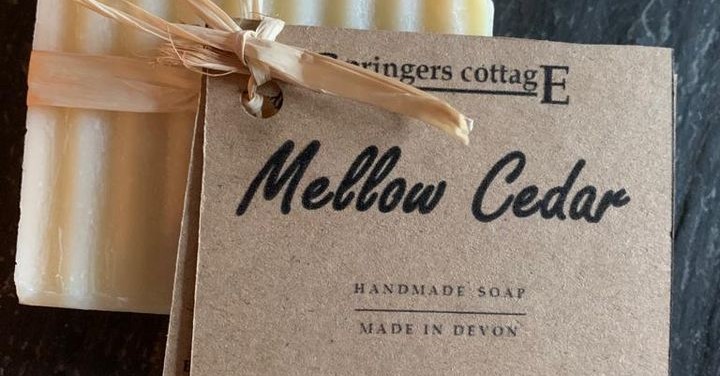
Tiff Reynolds, the owner of Springers Cottage Soaps, gives her top tips for starting a craft business.

springerscottagesoap (2) - small craft insurance
Soap created by Springers Cottage Soaps

Everything is expensive, to begin with. The costs of starting a craft business mount up quickly, so make a business plan, including costings, to know exactly how much you will need to spend to get up and running.

Don’t forget to include the cost of your time, as this will help you know what percentage of your turnover is profit.

Do your research on everything.

  • Think about what sort of products you want to make.
  • How many ranges do you want to offer?
  • What equipment will you need, that is essential for manufacturing? Who are your target customers?
  • How do you want to sell your products – online or at events?

Practice, practice, and practice some more. When practicing, make small batches, so you don’t waste valuable materials and ingredients. You will make mistakes, which you will learn from.

Stay on top of your administration.

  • Be compliant with any legalities that apply to your craft.
  • Speak to trading standards to ensure that you have the correct and current information.
  • Make sure that you have the correct insurance.
  • Research bank accounts and stay up to date with your accounts.

What are the rules for selling cosmetics?

148272427_329642051950329_1784187740731750028_o-2 - artist insurance
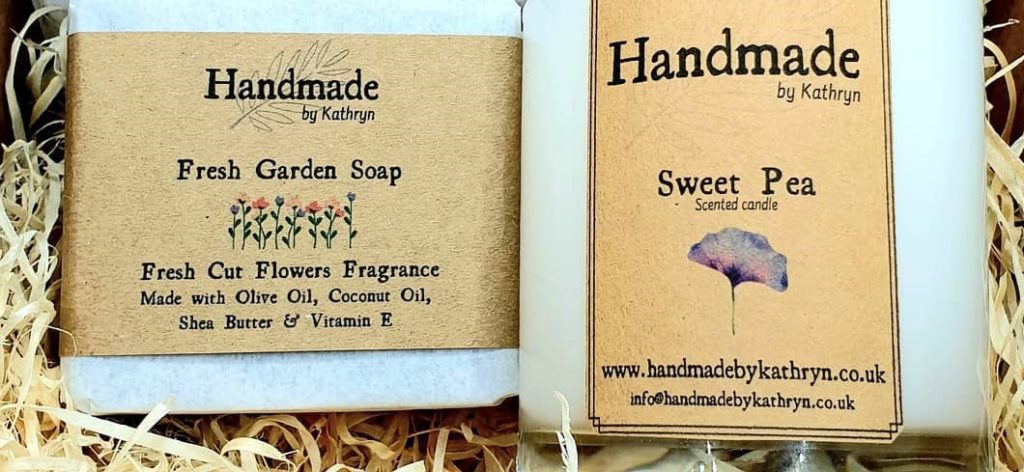
Soaps manufactured by Handmade by Kathryn

If you’ve looked into making and selling your own cosmetic products, you’ll be aware of just how confusing it can be. The scary thing is, some people new to the industry don’t even know that there is any legislation to comply with!

First of all what is a Cosmetic?

A “cosmetic product” shall mean any substance or mixture intended to be placed in contact with the various external parts of the human body (epidermis, hair system, nails, lips and external genital organs) or with the teeth and the mucous membranes of the oral cavity with a view exclusively or mainly to cleaning them, perfuming them, changing their appearance and/or correcting body odours and/or protecting them or keeping them in good condition.

https://www.handmadebykathryn.co.uk/blogs/news/the-legal-stuff-what-are-the-rules-for-selling-cosmetics

Kathryn Adams from Handmade by Kathryn has been kind enough to put together a checklist of things you need to consider when selling cosmetics. You can download the checklist HERE.

And for more detailed information please head straight over to Kathryn’s blog post
The Legal Stuff – What are the rules for selling cosmetics?

You will find related information in our Facebook group The Craft Challenge, as well as all sorts of other golden snippets of information

Never lose the thread of our story updates

145289613_10223249959851223_7426635730123321732_n-2 - crafters insurance
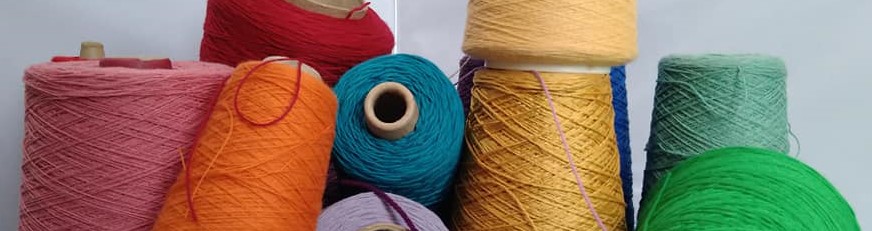
Image courtesy of Gill Sealey – Creator and owner of The Happy Weaver Craft Co or rather, to be specific, courtesy of her talented daughter. Photographer in the making!!

What’s new this week Thursday 18th February 2021

crowley-aromas - soap insurance
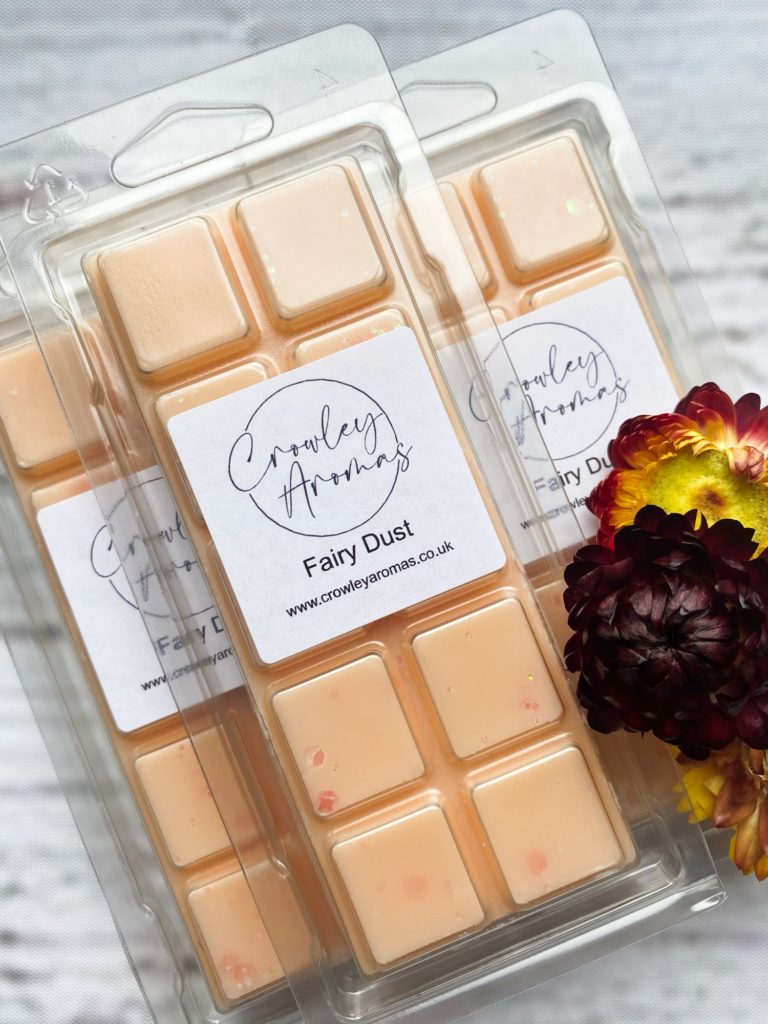
Picture courtesy of Danae Crowley, trading as Crowley Aromas
Screenshot-83 - craft stall insurance

We have been absolutely inundated with queries regarding wax melts, simmering granules, sizzlers, carpet fresheners, room sprays, reed diffusers, car fresheners and various other room fragrance and cleaning products.

Well, good news! Yes, we can absolutely cover all of these products, providing that they comply with all applicable legislation, and are fully CLP compliant.

If you have an existing policy with us, and want to add any of these items to your existing activities, you can do so through YOUR ACCOUNT via the website. Or you can simply give us a call or drop us an email, so we can update your policy for you, at no additional cost.

Or, if you would like a quote for a new business venture, get a quote today

workshop insurance

We have been updating our FAQ’s to try and help make the information you want easier to access. You can click HERE to view all of our FAQs but here are some of our more frequently asked questions answered:

  • Q: Do I have to be a registered business to have insurance
    A: No you do not have to register a business to take insurance with us. Many of our customers are hobbyists who want to make a bit of extra money, or, dip their toe in the water to see if they could make a business from it.
  • Q: Can I add to my insurance during the year?
    A: Absolutely! Just give us a call, or drop us an email. If you want to update contact details, or add to your product range, we can amend your policy at no additional cost. We don’t charge admin fees. If you want to increase your cover, then you will just be charged the pro rata additional premium to your next renewal date. Again, no admin fees in sight!
  • Q: Do I need a different policy if I want to sell at craft fairs, or through somebody’s shop?
    A: Nope. Our public and products liability policy automatically covers you selling online, selling at events, or selling through 3rd party retail premises, or a rent a shelf type scenario.
the-craft-challenge - soap insurance

Lastly, I just wanted to invite you all to join The Craft Challenge Facebook Group. It’s a wonderful community consisting of like minded creatives, offering each other support, knowledge, experience and camaraderie. The aim of the group is to creative a successful online presence, essentially to help you make more money from your online sales.

You are not alone in the craft world – whether you are an experience craft business owner, or just starting out, you would be most welcome to join us.

We even have the occasional online get together at our virtual pub ‘The Crafter’s Arms’, where we get to know each other, give each other ideas and have a bit of a giggle.

5 unique Valentine’s Day gifts for your ‘one of a kind’ someone

We’ve put together a few ideas of gorgeous Valentine’s Day gifts for people who want to give something just a little bit different. All of the gift ideas shown, have been lovingly handmade by crafts people in the UK.

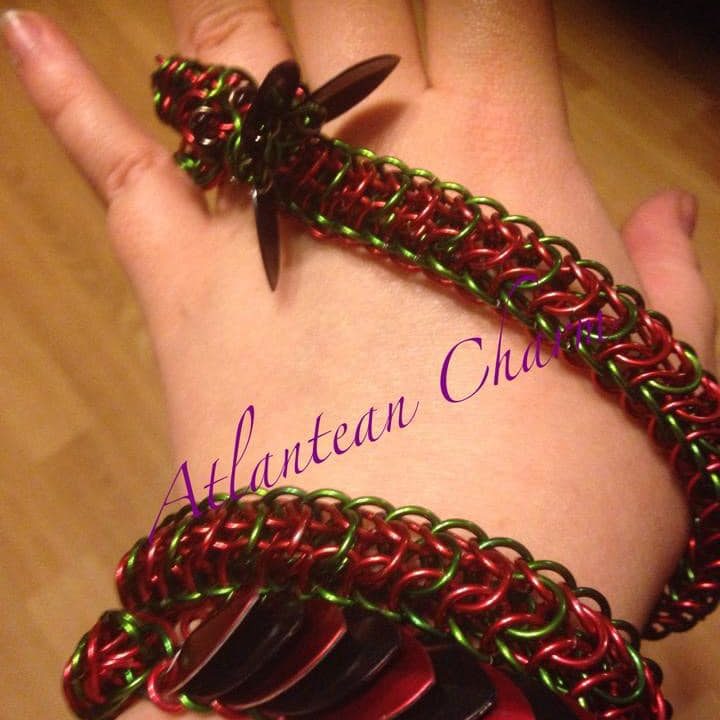
Atlantean Charms dragon chain maille bracelet
Sadie from Atlantean Charms makes beautiful chain maille jewellery. This dragon bracelet is just stunning, but there is also an assortment of rainbow coloured necklaces and bracelets too.
Click HERE to see more
122870933_2812844648751974_5986365198372753311_n - insurance for craft fairs
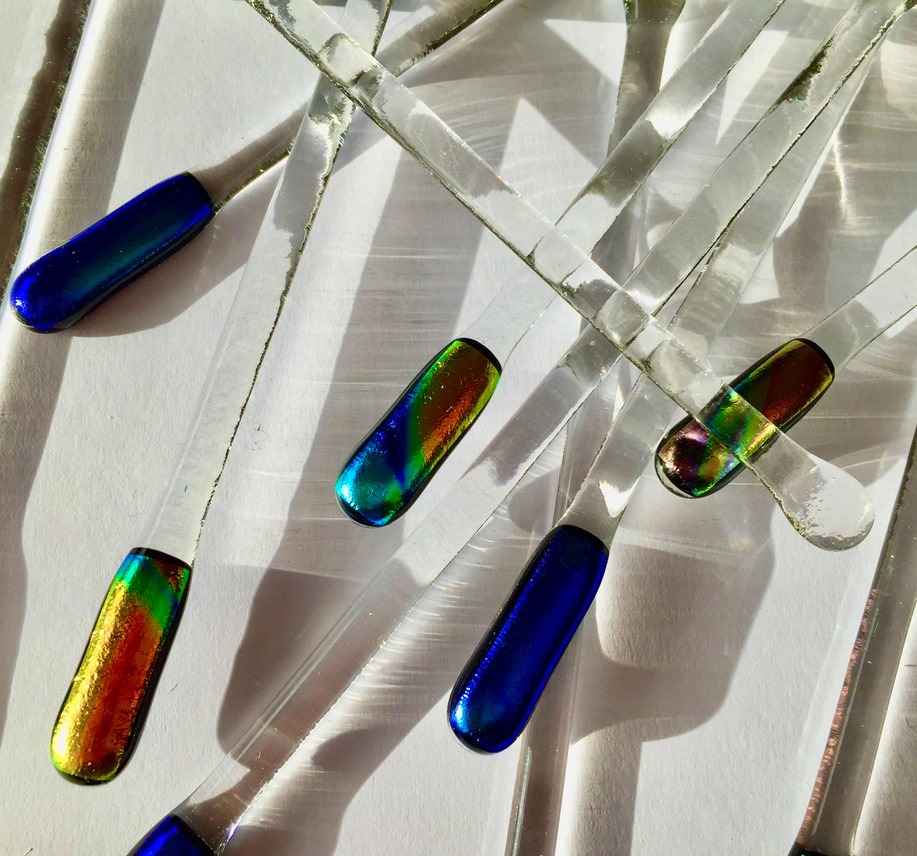
Handmade fused glass cocktail stirrers, especially for your special someone who likes their cocktails stirred, not shaken.
These are created by Janice Bradshaw, who is designing and making fused glass art on The Fylde Coast.
Click HERE to see more
il_794xN.2849114919_35vf - crafters insurance
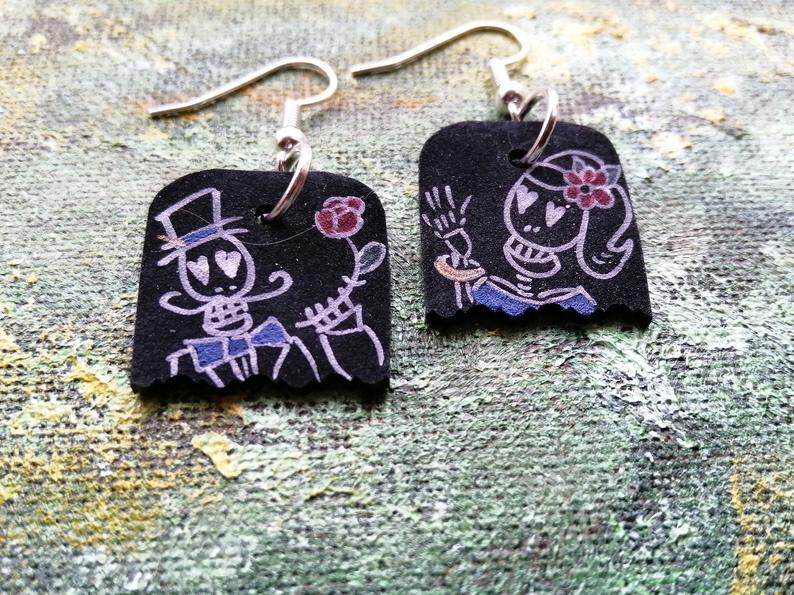
Bewitch your alternative lover with a pair of romantic skull earrings from Perfidious Jewellery.
Click HERE to check out the amazing range of unusual jewellery and accessories
45642465_2006654076068120_267525623012917248_n - artist insurance
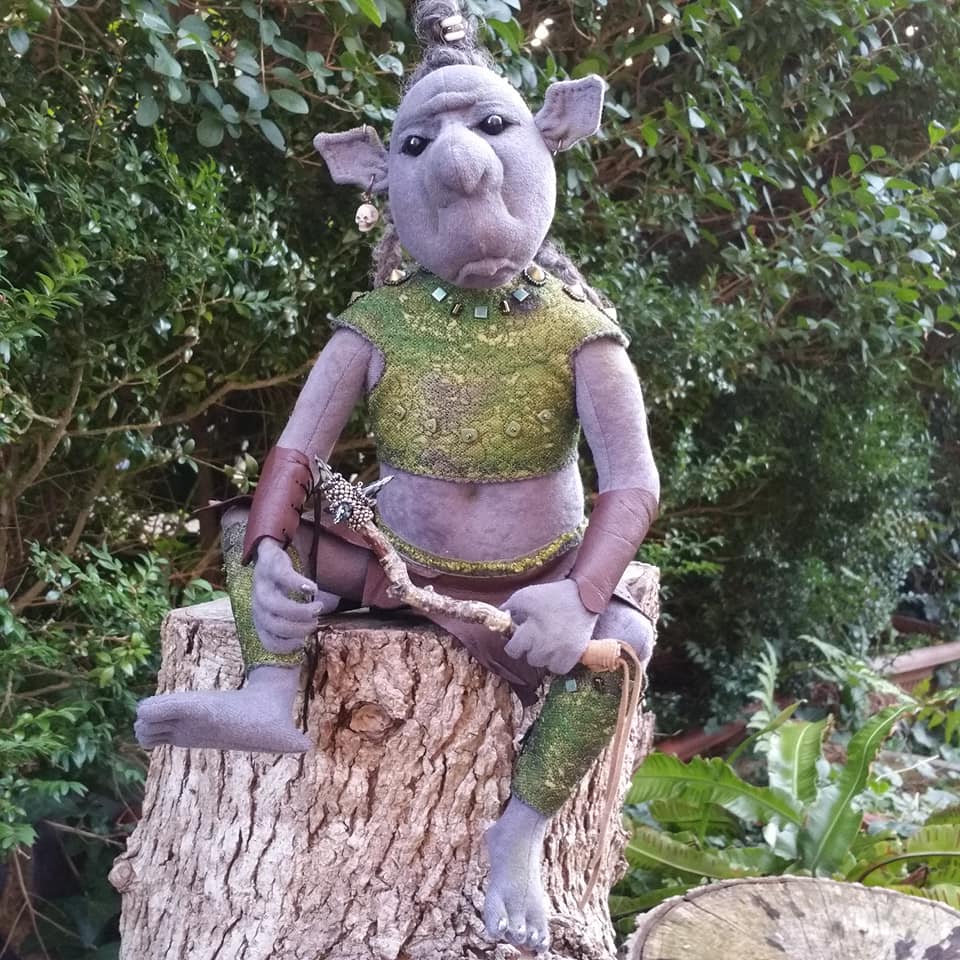
If teddy bears aren’t your beloved’s bag, then how about showing your love with this handsome chap.
Textile artist Sharon Inns, owner and creator at Sprites Et Al makes one of a kind textile fantasy dolls, art and jewellery that are quite literally out of this world.
Click HERE to see more of her whimsical textiles.
a-basket-of-bees - public liability insurance for craftspeople
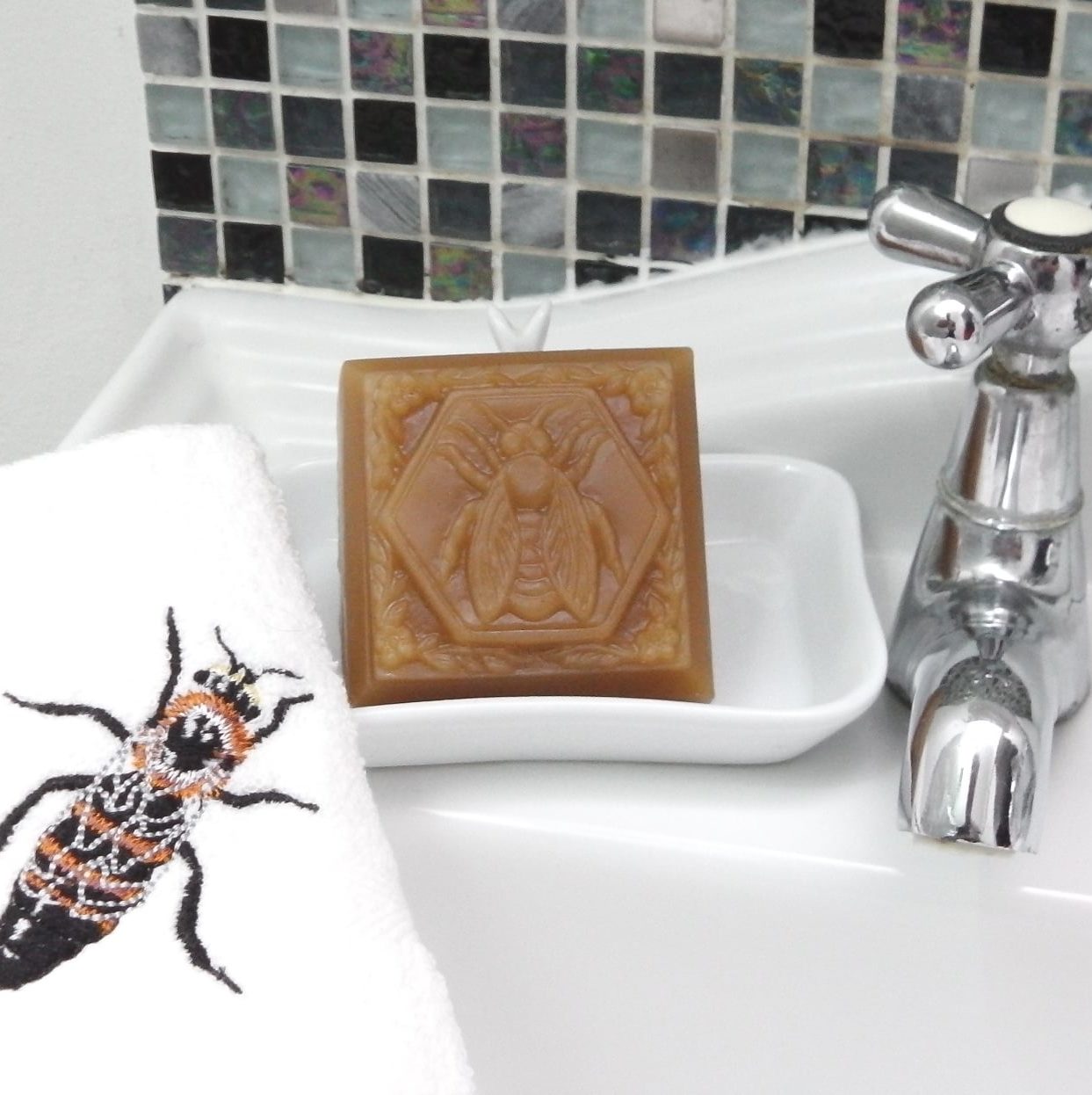
This gorgeous soap will help you ask your special someone, ‘will you ‘Bee’ mine?’ The natural skincare range from A Basket of Bees is made from honey and beeswax from their own bees. Who wouldn’t want the gift of glowing healthy skin?
Click HERE to have a look at all of the full range.

Now is not the time to give up on your dream of running a craft business

The events of 2020 do have a silver lining

2020 has hit the craft industry hard. Most of our craft fairs, festivals, and events are cancelled which means lots of us can’t sell.

We’ve chatted about how to do things differently to try and improve business. Here are some more reasons why you shouldn’t give up now.

Customer behaviour has changed

2020 has triggered a change in buying behaviour, and whilst the High street has taken a hit, many small online businesses have benefited.

Larger online stores are under tremendous strain to keep up with high demand. This has resulted in people turning to independent businesses to fulfil their needs.

People are becoming Eco conscious

Society is becoming more aware of the impact of our behaviour on the planet. They want to make a difference, no matter how big or small. 

We don’t want mass produced items from a factory. We value handmade products, using sustainable or even recycled materials, and locally made.

Sentiment over materialism

Separation from friends and family this year has made people more sentimental.   A crafts person will go the extra mile to make products unique, personal, and made with love that satisfy this.

Why Britain’s Crafters must adapt to these new challenging times

Crafters must find new and inventive ways of doing business if they want to survive further lockdowns and fewer craft events to attend.

It has been approximately seven months since Britain first went into a lockdown due to COVID-19 completely changing the face of the craft industry.

Crafters now more than ever need to change with the times and evolve because if they don’t, their craft businesses just won’t survive.

Get your business online

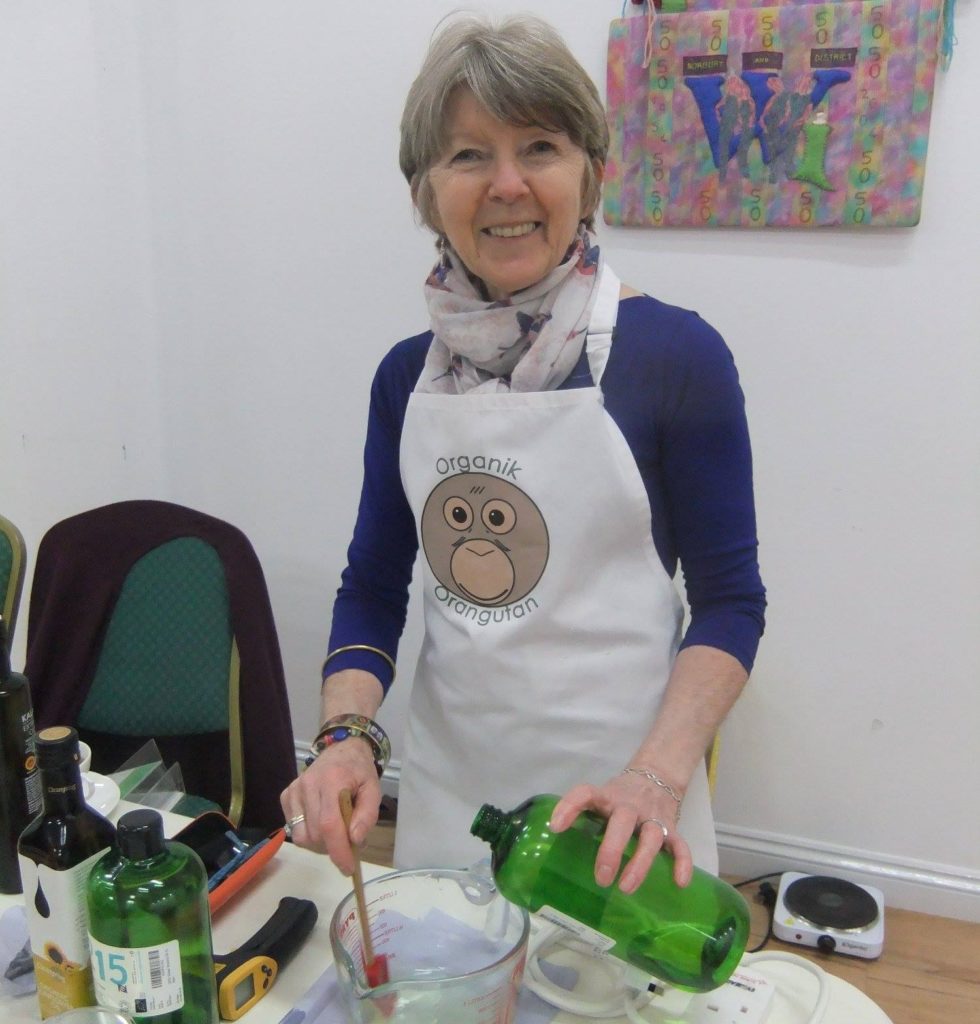
Rosie, the founder of Organik Orangutan needed to find a different way to do things and now offers soap making workshops online.

‘ I’ve often been asked if I do online workshops but I’ve always said no as I honestly didn’t think I could! So, yes because of COVID I had to run them online or my little business wouldn’t survive. I send out all the ingredients etc and run the workshops on Zoom. They’re going really well and I was surprised at how easy it is. I actually prefer it in some ways ? and intend to continue. I will be adding new workshops soon.’

Selling online

If you haven’t sold online before, you’re in for a real treat because there’s an online opportunity out there for everyone. Social media ie, Instagram and Facebook are popular sales platforms, because they are relatively easy to learn and free to use.

There are a number of ‘build your own websites’ now about on the market, so giving you a way of getting online without spending out on a web designer.

There are also online shops that you can sell through, for example Etsy, folksy, and conscious crafties.

Rosie of Organik Orangutan during a soap making workshop

Stand out from the crowd

Taking your business online is a golden opportunity to stand out from the crowd.

You can offer your customers a truly unique experience when they buy from you.

I recently purchased a handcrafted leather binder from a crafter through Folksy. When it was delivered, it was very securely packaged, which I appreciated. When I opened the outer plain packaging, I was overwhelmed to find a beautifully wrapped binder, presented in a bespoke box. To top it off there was a handwritten thankyou for my custom. I cannot even explain the joy this gave me, but I can say that it made me feel special as a valued customer. Would I have received the same treatment face to face at a craft fair? Who knows, but it was definitely a great experience receiving this treasure through the post, and because of that, I desperately want to buy from her again!

So what are you waiting for? Adapt and evolve your craft business, you won’t regret it.