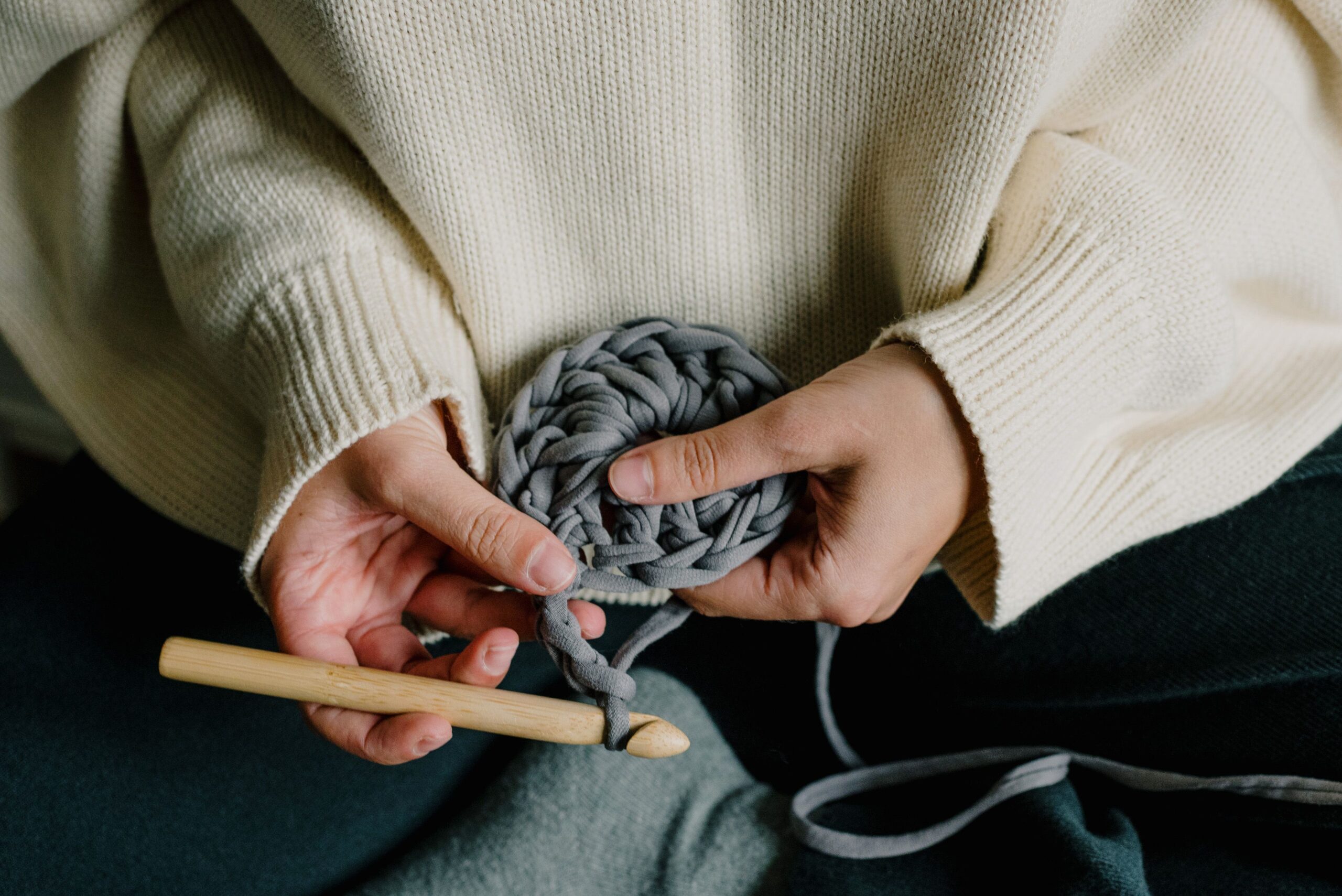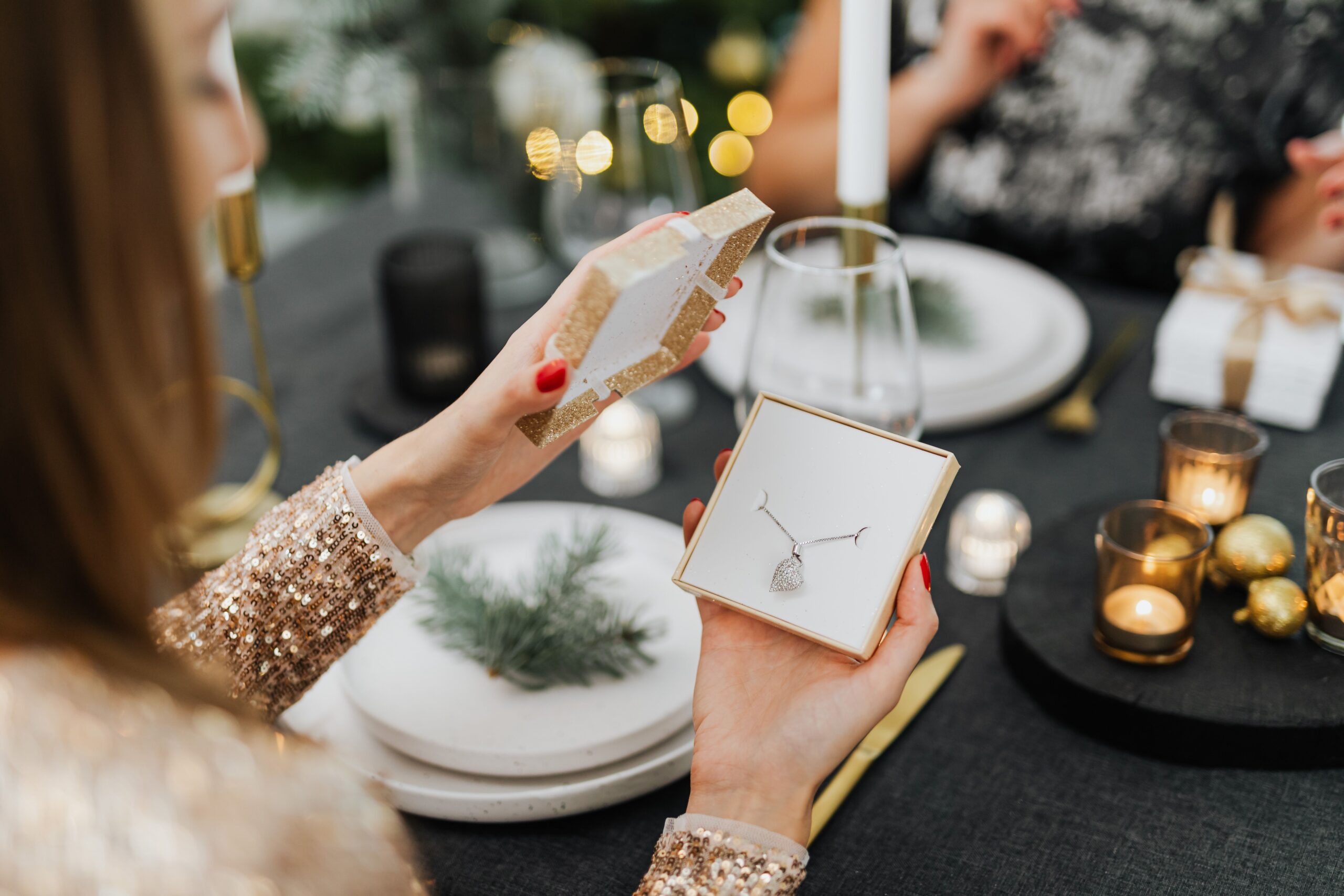

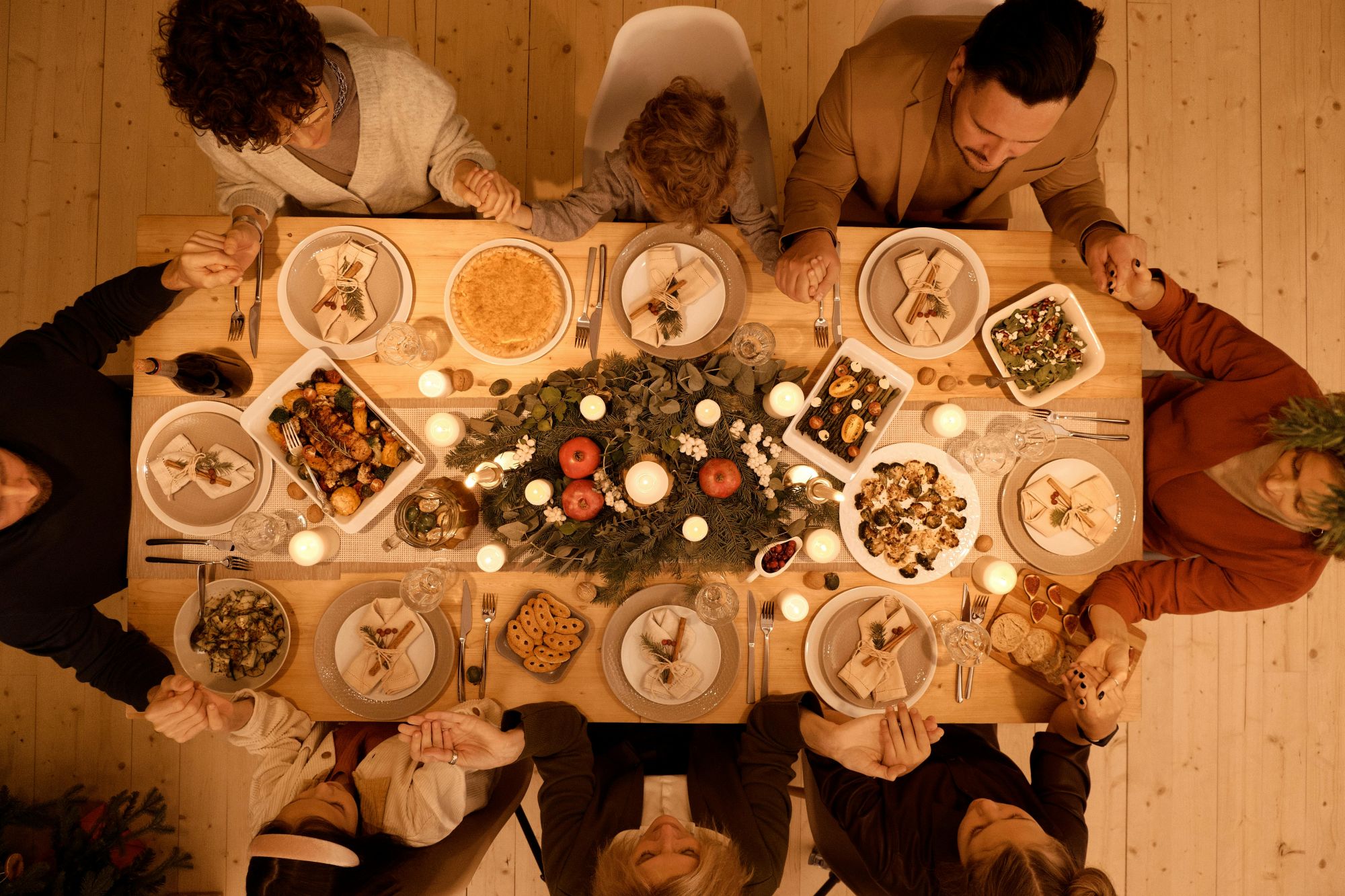
For most of us these days, Twelfth Night hardly registers, arriving quietly as it does on 5th January, it serves as a gentle nudge that Christmas decorations should come down and normal life should resume. Trees are dragged to the curb, fairy lights are boxed away and thoughts turn firmly (and sometimes with relief) toward a return to routine — and to the craft workshop. Yet for centuries, Twelfth Night was anything but ordinary. It marked the climax of Christmas, a night of feasting, role reversal and merriment that rivalled Christmas Day itself.
Twelfth Night was the final evening of the twelve days of Christmas which began on Boxing Day, with Christmas counted as the First Night. The twelfth night, falling on 5th January, ushered in Epiphany on the 6th — a feast commemorating the arrival of the Three Wise Men in Bethlehem. Epiphany once held immense importance, long before it faded into a footnote on the calendar.
In Tudor England, Twelfth Night was celebrated with great enthusiasm. At court, Henry VIII and Elizabeth I marked the occasion with lavish banquets, masques, music and pageantry. Records from 1532 describe over 200 dishes being served, with temporary kitchens erected to cope with demand. Elizabeth I even employed a personal gingerbread-maker, creating edible likenesses of the queen and her guests. At the heart of these celebrations was deliberate chaos and a joyful turning upside down of the social order.
This spirit of reversal extended far beyond the royal court. In towns and villages, households gathered to share food, drink and the famous Twelfth Night Cake. Hidden inside the cake were a dried bean and a dried pea. Whoever found them in their slice was crowned King or Queen for the evening, regardless of their usual status. Servants ruled masters, rules were gleefully bent, and laughter reigned.
By the 18th and early 19th centuries, Twelfth Night revels were still going strong. Regency households hosted lively parties featuring charades, games, wassail and punch. The Twelfth Night Cake grew increasingly elaborate, decorated with frosting, gilded paper and ornamental figures. Guests often drew character slips from a hat and were expected to remain in role all evening. Jane Austen herself is recorded as embracing the tradition with enthusiasm.
Literature preserves much of Twelfth Night’s original energy, none more famously than William Shakespeare’s Twelfth Night. Commissioned around 1600 and first performed in 1602, the play was written specifically to close the festive season. Its plot — built on mistaken identities, disguised gender, and social confusion — perfectly mirrors the spirit of the holiday. Characters swap roles, servants outwit nobles, and order is only restored at the end, just as Christmastide itself gave way to everyday life.
Although Twelfth Night has waned in Britain, it remains vibrantly alive elsewhere. In Spain, for example, the night of 5 January, la Verbena de Reyes, is as significant as Christmas Eve. Children leave out shoes for the Three Kings to fill with gifts, and colourful parades flood the streets. (In Barcelona on 5th January, the Three Kings arrive in the port by boat!) On 6 January, families gather to give each other presents and share a Roscón de Reyes, a crown-shaped cake hiding a small figure and a bean. The finder of the bean must buy the cake the following year. In France, La Fete des Rois is also celebrated with a special cake, La Couronne Des Rois (King’s Crown). As in Spain, the Couronne des Rois contains a tiny figure of which the happy finder gets a crown and the status of King or Queen for the day!
So why has Twelfth Night faded here in the UK? Partly, it is the consequence of modern schedules and commercial Christmas front-loading celebration into December. By January, most of our energy is spent, along with most of our money! The feast that once rivalled Christmas now marks its conclusion as a practical deadline rather than a joyful finale.
Twelfth Night has always been about endings as much as excess — the last laugh before the rules return, the final spark before work resumes. Today, that return may be less festive, but the rhythm is the same. As the tinsel comes down and tools come out, there is comfort in a return to the norm.
It’s time for a return to creativity, no less for occasional crafters who aren’t full-time business owners. Even if you only sell at the occasional market, this week will probably involve packing away decorations and returning to your creative side hustle. If you are an occasional seller, don’t forget that one day public liability insurance gives you flexible, affordable cover just for when you need it.
You’ll be protected if someone claims they’ve been injured or had property damaged as a result of your actions, or even something as simple as a trip hazard at your table. Whatever kind of events you are attending this year, one day public liability insurance ensures you’re not financially exposed if something goes wrong. Just give us a call, and we’ll help you get the right cover without overcomplicating things.
So, as our modern day Twelfth Night draws in, and the last pine needle is swept away, we look forward to another year of supporting our amazing community of crafters as they head back to the craft workshop to start dreaming for 2026.