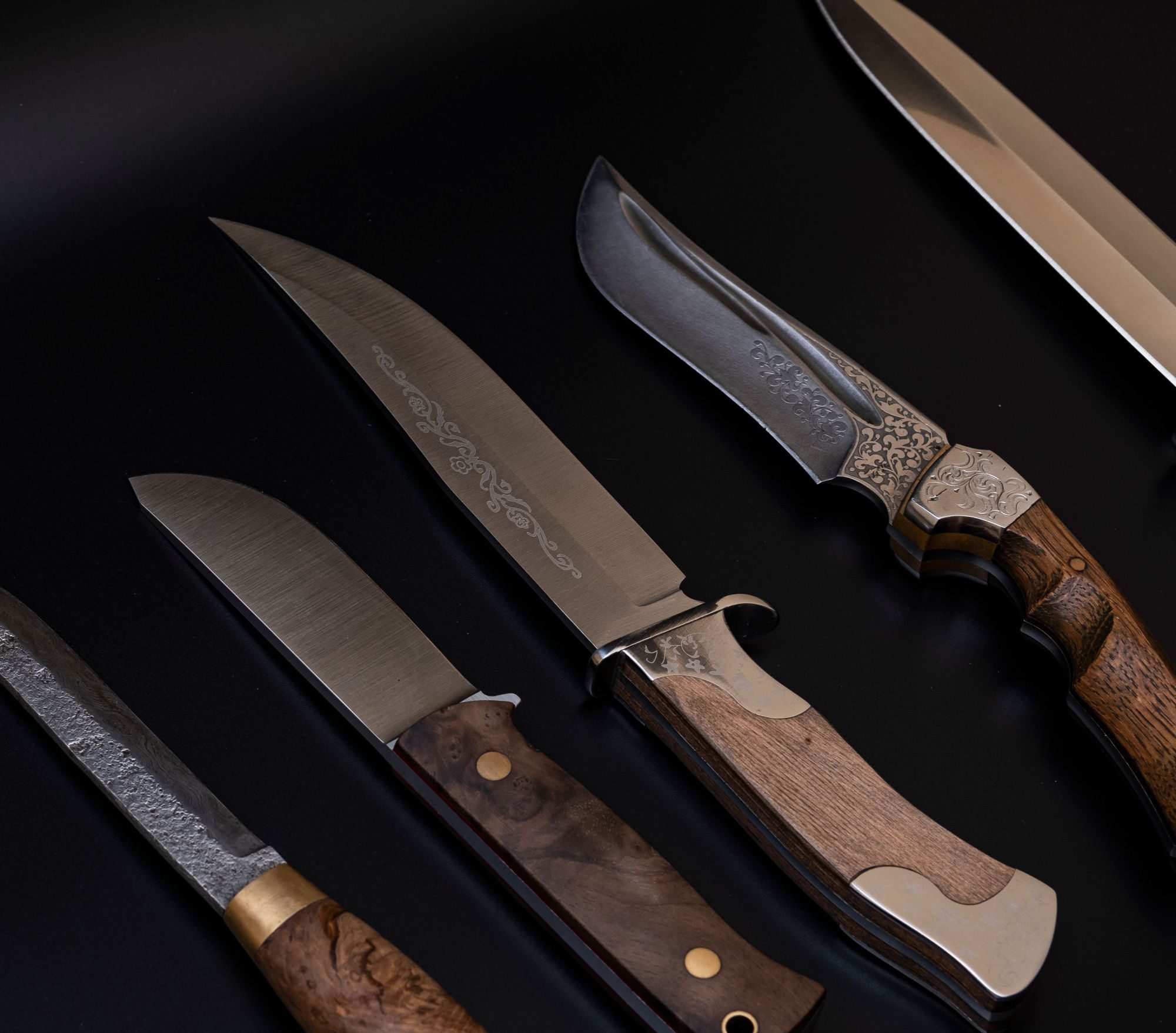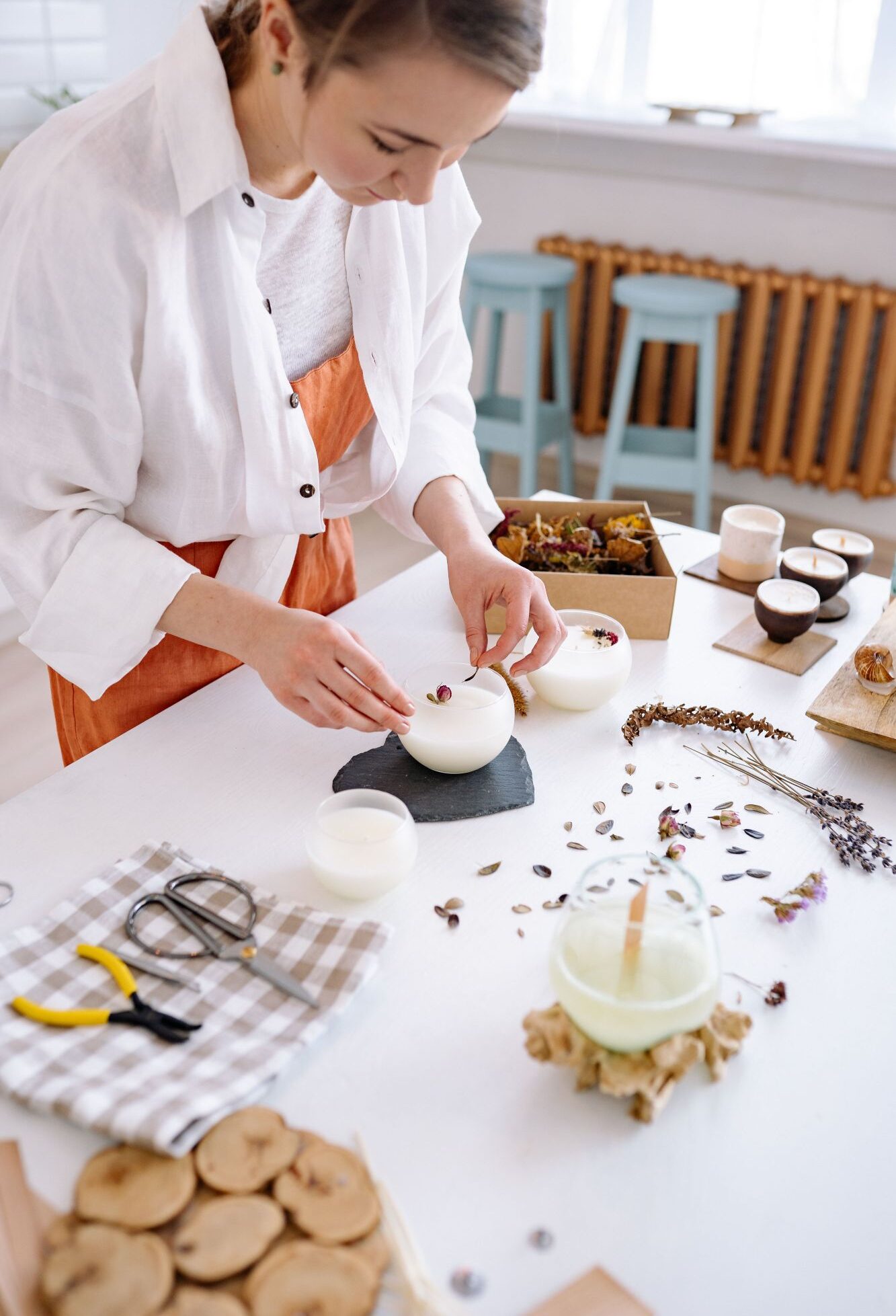

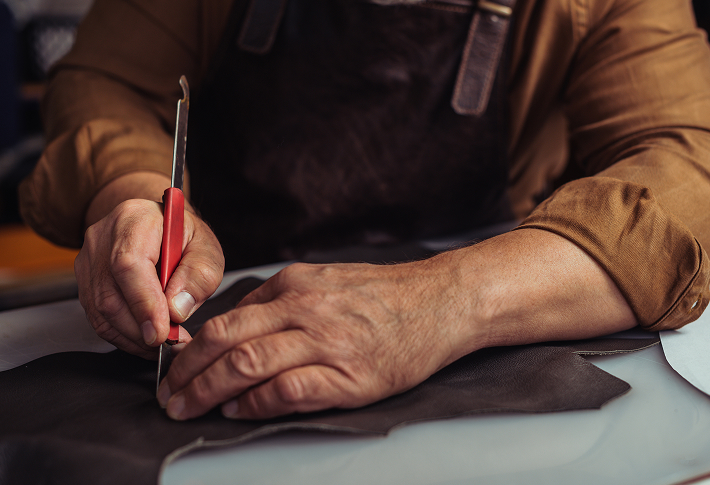
One of the best things about crafting is that anyone with a passion for creating can get paid for it—and make genuine friendships along the way—thanks to craft fairs. There’s something uniquely rewarding about turning a hobby into an income stream while connecting with like-minded people who appreciate the time, skill and love you pour into your handmade items.
Creating what you love
At the heart of every successful craft business is passion. Obviously, there has to be some focus on profitability, but seasoned crafters consistently say the same thing: create the things you love first. When you genuinely care about what you’re making, that enthusiasm becomes tangible. Customers can sense it when they pick up your work—it’s built into the product.
Your passion leads you to create handmade pieces whose raw materials may require a significant investment of finances, time, and skill. The result is a range of truly original pieces that will draw attention to their beauty and workmanship—things that visitors to craft fairs are looking for. Items that they couldn’t easily make themselves. And this is where your individuality and your passion are your biggest strengths.
Many crafters use their ingenuity to combine passion and practicality. Upcycling is a brilliant example of this. By transforming old or discarded materials into something new, you can create unique, conversation-starting pieces and also keep costs low and profit margins higher. Think braided rugs made from old clothing, jewellery crafted from repurposed materials like bottles, or furniture given a second life with creative finishes. These items often stand out at a craft fair precisely because they’re one-of-a-kind.
How to prepare for a craft fair
Before attending a craft fair, preparation is everything. Start by thinking carefully about what to take with you, especially in the early days when you’re still learning what sells. Bring a range of products and experiment with different styles, colours, and materials.
Equally important is offering a range of price points. Larger, higher-value items—such as original paintings or intricate handmade pieces—can act as showstoppers that draw people in. But pairing these with smaller, more affordable options like prints or mini versions allows customers to make impulse purchases. Not everyone can spend £100 or more, but many are happy to spend £10–£30 on something special.
Understanding your audience is another crucial step. Who are you selling to? What are they looking for? Many visitors are drawn to practical, high-quality items they can use in everyday life, while others are searching for meaningful gifts or locally inspired keepsakes. Whatever your niche, make sure the quality of your work is immediately evident—this builds trust and justifies your pricing.
Finally, don’t overlook the practicalities. Having the right cover in place, such as one-off craft fair insurance, ensures you’re protected for unexpected situations. It’s a small but essential part of preparing for a professional selling environment.
How to stand out from the crowd
Once you’re at the fair, presentation can make all the difference. A well-thought-out display doesn’t just showcase your products—it invites people in. Use height and vertical space to create visual interest. Eye-level displays, raised platforms, and layered arrangements help your stall stand out in a busy room.
Avoid simply laying items flat on a table. Instead, create a display that tells a story about your work. Clear pricing is also essential. Many potential customers won’t ask for a price if it’s not visible, so make it easy for them by labelling everything clearly and indicating accepted payment methods.
Demonstrating your craft can be a powerful selling tool. Whether you’re painting, weaving, carving, or assembling jewellery, showing your process adds value in the eyes of the customer. It transforms your stall from a shop into an experience—and that experience often leads to sales.
Pricing and other important things to consider…
One of the biggest challenges for crafters is pricing. It can be tempting to lower prices to attract more buyers, but this often has the opposite effect. Low prices can signal lower quality and undervalue your time. Have the confidence to price your work to reflect the skill, effort and materials involved.
At the same time, offering a selection of lower-priced items does help attract a broader audience. These smaller purchases can add up quickly and often introduce new customers to your work.
Customer interaction is another area where confidence matters. Being friendly, approachable, and positive can significantly enhance the buying experience. Even if a fair is slow, maintaining an upbeat attitude encourages people to engage with you and your products.
It’s also worth remembering that not everything will sell immediately. Use each event as a learning experience. Over time, you’ll start to see patterns in what customers respond to, allowing you to refine your product range. And if certain items consistently don’t sell, it may be time to replace them with something new.
Throughout all of this, protecting your business remains essential. Investing in one-off craft fair insurance gives you peace of mind, allowing you to focus on what you do best, i.e. creating and selling your work.
Taking the next step
Craft fairs offer far more than just a selling opportunity. They’re a space to connect, learn and grow as a maker. From chatting with neighbouring sellers to discovering new techniques and trends, every event contributes to your journey.
If you’re considering taking part in a craft fair, now is the perfect time to start. Focus on creating products you’re proud of, presenting them with care, and engaging warmly with your customers. Don’t forget the practical essentials, including one-off craft fair insurance, to ensure you’re fully prepared. It’s easier to set up than you might think, so please give us a ring, and either Sam or Naomi will be happy to take your call.
Ultimately, crafting isn’t just about making things—it’s about sharing a piece of yourself with others. And there’s nothing more rewarding than seeing that connection come to life across a busy craft fair stall.